We often consider the visible aspects of our homes, but what about the air we breathe? The quality of your indoor air profoundly affects our health, comfort, and general well-being. A thoughtfully designed home air quality system is essential, from filtering out allergens and pollutants to maintaining ideal humidity levels.
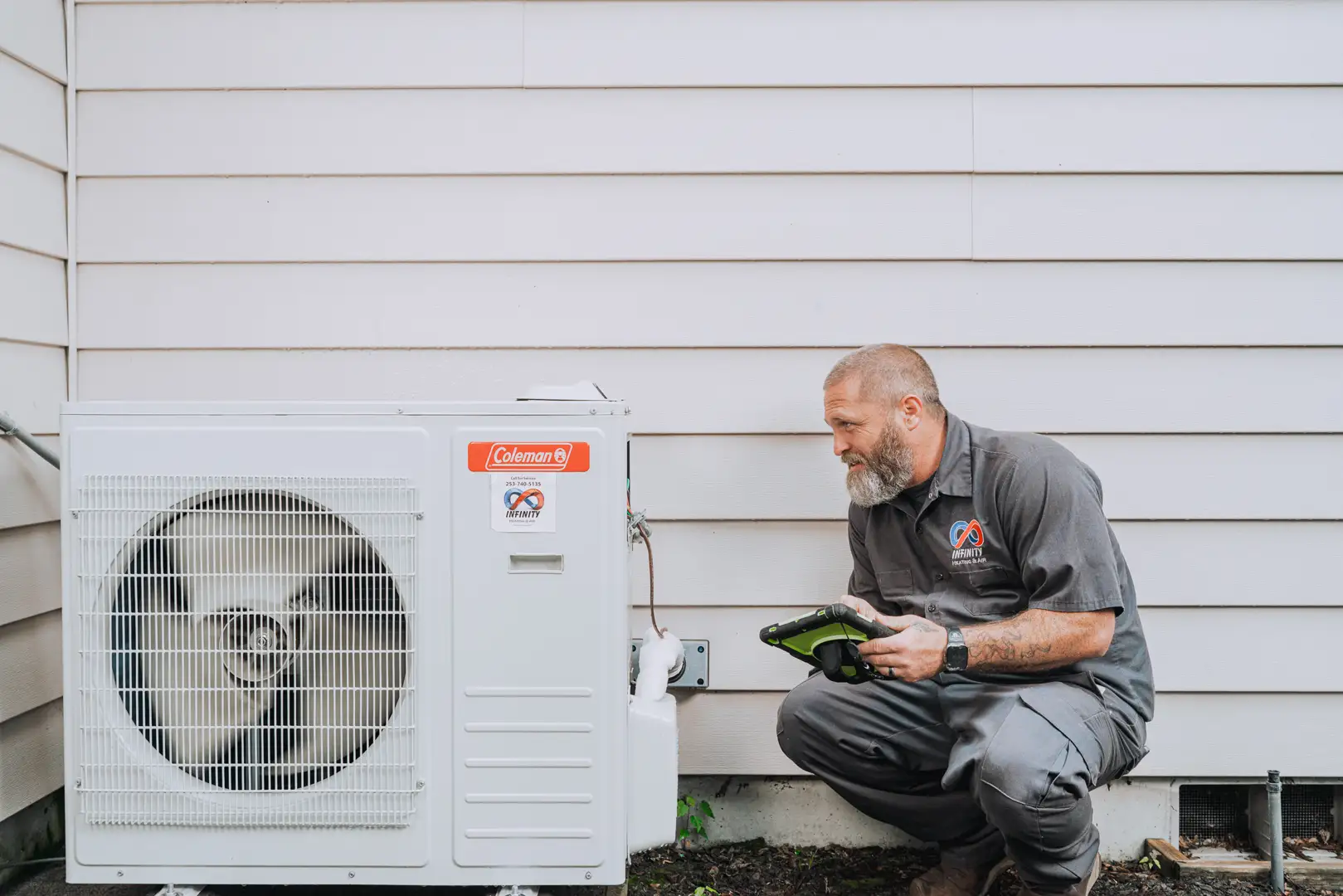
This guide will explore the fundamental principles of creating an optimal indoor environment. We will examine the core components of these systems, understand how local environmental factors can impact their performance, and discuss effective strategies for maintenance and optimization. For example, a home air quality expert can help us understand how even seemingly minor issues, like those requiring emergency heat pump repair, tie into the broader health of our home’s atmosphere.
Understanding these elements is crucial for every homeowner. Our goal is to empower you with the knowledge to design and maintain an effective system for lasting comfort and health.


At the heart of any effective home air quality system lies its ability to manage and mitigate various airborne contaminants. The primary focus is often on particulate matter, which includes everything from dust and dander to pollen and mold spores. Effective allergen control is paramount, especially in regions like Sumner, WA, where seasonal shifts and proximity to agricultural areas can introduce significant amounts of agricultural dust into the environment.
Mechanical filtration is the cornerstone of removing these particles. Filters are rated by their Minimum Efficiency Reporting Value (MERV), a standard that indicates how effectively a filter stops particles of various sizes. A higher MERV rating signifies greater filtration capability, capturing smaller particles. However, it’s a delicate balance; while higher MERV filters offer superior air purification, they can also restrict airflow if not properly managed, potentially straining your HVAC system. Efficient airflow management is therefore critical, ensuring that air circulates effectively through the filtration system without compromising the performance of your heating and cooling equipment.
Integrating Filtration into Existing Home Air Quality Systems
Integrating advanced filtration into an existing HVAC system requires careful consideration. The filter’s placement, typically before the evaporator coils, is strategic. As air passes through the filter, it sheds particulate matter, preventing buildup on the coils. This is vital because dirty evaporator coils can significantly reduce system efficiency and become breeding grounds for mold. The blower motor is responsible for drawing air through these filters and circulating it throughout the home.
However, filter resistance is a key factor. A filter with too high a MERV rating for a particular system can create excessive resistance, forcing the blower motor to work harder, increasing energy consumption, and potentially leading to premature wear. Proper dust suppression within the ductwork and ensuring cabinet sealing of the HVAC unit are also essential. Leaks or gaps can allow unfiltered air to bypass the system, rendering even the best filters less effective. We aim to create a sealed, efficient pathway for air to be cleaned and conditioned.
Modern Ventilation and Moisture Control for Home Air Quality Systems
Beyond filtration, modern home air quality systems emphasize ventilation and moisture control. Heat pumps and air conditioners naturally remove humidity from the air, producing condensate. Effective condensate management is crucial to prevent water accumulation, which can lead to mold prevention and growth within the system and ductwork. This is not just a matter of comfort but also a health concern, as mold spores can significantly degrade indoor air quality.
Dehumidification components work to maintain optimal humidity balance, typically between 30-50%. Too much humidity can foster mold and dust mites, while too little can cause dry skin, respiratory irritation, and damage to wooden furnishings. Furthermore, fresh air exchange is gaining prominence. While older homes relied on natural infiltration, modern, tightly sealed homes often require mechanical ventilation systems to bring in fresh outdoor air while expelling stale indoor air. This process dilutes indoor pollutants and ensures a continuous supply of oxygen, contributing to a healthier living environment.
How Environmental Factors Impact Indoor Air Quality and Heat Pump Efficiency
The unique environmental conditions of a region like Sumner, WA, significantly influence both indoor air quality and the efficiency of heat pump systems. Regional pollen from local flora, combined with environmental dust from agricultural activities and nearby construction, can present a formidable challenge. These airborne particles can easily infiltrate homes, contributing to indoor air pollution and exacerbating allergies for residents.
Outdoor humidity levels also play a crucial role. High humidity can make your heat pump work harder to dehumidify the air, and when combined with dust and pollen, it can lead to issues like condenser fouling. This occurs when dirt and debris accumulate on the outdoor condenser coils, impeding their ability to dissipate or absorb heat effectively. Similarly, coil blockage, whether on the indoor evaporator or outdoor condenser, is a common consequence of these environmental factors. When coils are caked with grime, the heat pump’s efficiency plummets, leading to increased energy consumption and reduced comfort. Understanding these localized impacts is vital for maintaining an effective home air quality system. For insights into how these environmental challenges can lead to system malfunctions, particularly those requiring urgent attention, consulting a professional who understands the local climate and its impact on HVAC systems is always a good idea. For instance, a local HVAC specialist can provide valuable guidance on maintaining optimal performance in such conditions.
Identifying Warning Signs of System Failure and Air Contamination
Homeowners should be vigilant for several warning signs that indicate a potential system failure or air contamination issue. One common indicator is lukewarm air blowing from vents when the system is set to cool or heat. This suggests a problem with the heat pump’s ability to condition the air properly. Musty smells emanating from your vents are often a clear sign of mold or mildew growth within the ductwork or on the evaporator coils, directly impacting indoor air quality.
More serious warnings include burning odors, which can signal overheating electrical components and pose a fire hazard. Unusual squealing or grinding sounds from the unit often point to mechanical issues such as failing bearings or motors. Finally, unexpected electricity spikes on your utility bills, without a corresponding increase in usage, can indicate that your heat pump is working inefficiently due likely to a component failure or blockage, straining to maintain desired temperatures. Recognizing these signs early can prevent minor issues from escalating.
Preventing Severe Damage Through Timely System Diagnostics
Ignoring the warning signs of a struggling heat pump can lead to significantly more costly and severe damage down the line. What might start as a minor issue can quickly cascade into major component failures. For example, a system continually running with restricted airflow due to dirty coils can put immense strain on the compressor, the heart of your heat pump, potentially leading to its premature failure. This is often one of the most expensive components to replace.
Similarly, unaddressed electrical component failures, such as a faulty capacitor or contactor, can lead to system shutdowns or even damage to other electrical parts. Frozen coils, often a result of low refrigerant or airflow issues, can prevent the system from heating or cooling effectively and can eventually damage the compressor. Line blockages in the refrigerant lines can also cause severe operational problems. Timely system diagnostics by a qualified technician can identify these issues early, allowing for targeted emergency repairs that prevent complete system breakdowns and protect your investment. Proactive intervention is always more cost-effective than reactive replacement.
Strategies for Optimizing and Maintaining Whole-House Systems
Optimizing and maintaining whole-house air quality and climate control systems is an ongoing process that yields significant benefits in comfort, health, and energy efficiency. Preventative maintenance is the cornerstone of this strategy. Regular coil cleaning, both for the indoor evaporator and outdoor condenser, is essential to ensure efficient heat transfer and prevent mold growth. Duct inspections can identify leaks, blockages, or contamination that impede airflow and distribute pollutants.
Beyond basic HVAC maintenance, air quality optimization involves assessing and upgrading filtration, ensuring proper ventilation, and managing humidity levels. This holistic approach ensures that all aspects of your home’s indoor environment are working in harmony.
Emergency Repair Needs versus Scheduled Maintenance
It’s crucial for homeowners to understand the distinction between emergency repair needs and scheduled maintenance. Scheduled maintenance is proactive; it involves routine checks and cleanings designed to prevent breakdowns, improve efficiency, and extend the lifespan of your heat pump. This includes tasks like checking refrigerant levels, cleaning coils, inspecting electrical connections, and testing reversing valves and defrost controls – critical components unique to heat pumps. These regular services help identify and address component wear before it leads to a failure.
Emergency repairs, on the other hand, are reactive. They address sudden, unexpected system failures or critical malfunctions that compromise your home’s comfort or safety, such as a heat pump completely failing to heat during a cold snap or a burning smell indicating an electrical issue. While scheduled maintenance aims to minimize emergencies, rapid response is essential when they do occur. Comprehensive diagnostic checks during an emergency visit pinpoint the exact cause of the problem, allowing for immediate and effective repair. Regular maintenance reduces the likelihood of these urgent situations, but having access to prompt, expert service for unexpected issues is equally important.
Long-Term Benefits of Whole-Home Air Purification and Climate Integration
Investing in whole-home air purification and climate integration offers a multitude of long-term benefits that extend beyond immediate comfort. One of the most significant advantages is enhanced operational longevity for your HVAC system. By reducing the particulate load on components like coils and blower motors, air purification systems minimize wear and tear, helping your heat pump last longer. This also translates directly into improved energy efficiency. A clean system doesn’t have to work as hard to condition your air, leading to lower energy bills year-round.
Maintaining proper air balance throughout the home, through effective filtration and ventilation, contributes to a more consistent and comfortable indoor environment. Furthermore, advanced systems often operate with quiet operation, providing comfort without intrusive noise. The health benefits are perhaps the most compelling: reduced allergens, pollutants, and pathogens in the air can lead to fewer respiratory issues, better sleep, and an overall healthier living space for your family.
Feature Media Air Filters UV Purification Systems Primary Function Physically capture airborne particles Inactivate airborne microorganisms (bacteria, viruses, mold) Effectiveness Excellent for dust, pollen, pet dander, spores Excellent for biological contaminants Maintenance Regular filter replacement (e.g., every 3-12 months) Bulb replacement (e.g., every 9-24 months) Impact on Airflow Can restrict airflow if not properly sized/maintained Minimal to no impact on airflow Energy Consumption Negligible (passive) Low (requires electricity for bulb) Best Used For General particulate removal, allergen control Mold prevention, germicidal control, odor reduction Frequently Asked Questions About Home Air Quality Systems
How do pollen and local dust affect indoor air quality systems?
Pollen and local dust, particularly prevalent in areas like Sumner with agricultural surroundings, significantly impact indoor air quality systems by causing pollen buildup and coil clogging. These fine particles accumulate on evaporator and condenser coils, as well as within air filters, leading to reduced airflow restriction. When airflow is compromised, the system has to work harder to push air through, resulting in increased system strain, decreased efficiency, and potentially higher energy bills. Regular filter changes and professional coil cleaning are essential to mitigate these effects.
What warning signs indicate an emergency heat pump repair is needed?
Several critical warning signs suggest that an emergency heat pump repair is needed. If you detect burning smells, especially electrical odors, it could indicate overheating components and requires immediate attention. Loud grinding noises or persistent squealing from the unit often point to severe mechanical issues like failing motors or bearings. Complete icing over of the outdoor unit, even when the defrost cycle should be active, is another serious indicator. Any sudden and complete system failure to heat or cool your home, particularly during extreme temperatures, warrants an emergency service call to prevent further damage or discomfort.
How does proper maintenance prevent costly HVAC breakdowns?
Proper maintenance is the most effective way to prevent costly HVAC breakdowns. Routine service includes crucial tasks such as drainage cleaning, which prevents water backups and mold growth, and thorough electrical checks to ensure all components are functioning safely and efficiently. Regular coil washing removes dirt and debris, maintaining optimal heat transfer and preventing system strain. By addressing minor issues before they escalate, maintenance significantly extends the lifespan of your heat pump, improves its energy efficiency, and drastically reduces the likelihood of unexpected, expensive emergency repairs. It’s an investment that pays off in system reliability and longevity.
Conclusion
Designing an effective home air quality system is about more than just installing a filter; it’s about system integration, ensuring that all components—from filtration and ventilation to humidity control—work together seamlessly. Continuous ventilation and proper airflow management are crucial for maintaining a fresh, healthy indoor environment. A strategy of proactive maintenance is the key to ensuring the operational longevity and optimal performance of your heat pump and air quality systems. By understanding the components, recognizing the impact of local environmental factors, and acting swiftly on warning signs, we can create healthier, more comfortable living spaces for ourselves and our families.
©2026 The Dedicated House. All rights reserved. No part of this blog post may be used or reproduced without the written consent of the copyright owner.
Click the links below for any posts you have missed:
 Building Bridges: Effective Advocacy for Stronger Connections Between Local and State Governments
 What to Do When You Need Urgent HVAC Repair
 Injured While Visiting Las Vegas? How Out-of-State Visitors File Claims
 Pre-War Apartment Renovation: What You Can and Can’t Change
 Modernizing Your Home: Electrical and Automation Upgrades
I’d love for you to join my email list! You’ll receive a notification straight to your inbox which will include links to my latest home project posts! Simply enter your address below.
Thanks for stopping by! Have a wonderful day/night depending on where you are in the world! Go with God and remember to be kind to one another!
Toodles,

Leave a Reply