When people think about addiction treatment, they often picture either a hospital-style rehab or weekly therapy appointments. In reality, there is a large middle ground between those two extremes, and that is where PHP treatment often fits. Partial Hospitalization Programs, commonly called PHPs, give people structured treatment during the day while allowing them to return home at night in many cases. For someone struggling to regain control but not needing 24-hour supervision, this level of care can make a major difference.
A lot of people wait far too long before getting help because they assume their situation is not “bad enough” yet. That mindset can create bigger problems financially, emotionally, physically, and socially. Recognizing the warning signs early gives people a much stronger chance at stabilizing their lives before things spiral further.

Daily Life Feels Unmanageable
One of the clearest signs that someone may need PHP treatment is when daily responsibilities start falling apart. Missing work repeatedly, ignoring family obligations, struggling to maintain hygiene, isolating from friends, or losing motivation to complete normal tasks often points to a deeper issue that needs structured support.
People trying to quit on their own frequently discover that good intentions are not enough. Addiction changes routines, thought patterns, sleep schedules, and emotional regulation. A Partial Hospitalization Program helps create accountability and consistency during the recovery process. Many programs include therapy, medical support, relapse prevention education, group counseling, and mental health treatment throughout the week.
For many people, ending drug use is not just about stopping substances. It is about rebuilding structure, improving decision-making, and learning how to function again without relying on unhealthy coping mechanisms.
You Keep Relapsing
Relapse does not mean someone has failed. It usually means the current level of support is not strong enough. A person may stop using for a few days or weeks, then find themselves right back in the same cycle after stress, anxiety, loneliness, or triggers return.
This is one reason PHP treatment exists. It gives people more intensive care than standard outpatient therapy while still allowing a degree of independence. Someone who repeatedly relapses after trying lower levels of care may need more frequent therapy sessions, psychiatric support, medication management, or stronger routine-based treatment.
Finding the right program matters because addiction rarely looks identical from person to person. Trauma history, mental health conditions, family dynamics, and physical health all affect recovery outcomes. Whether someone is researching drug rehab in Tyler, Texas, Portland, Oregon, Nashville, TN or anywhere else, finding a rehab that understands is often the difference between temporary improvement and meaningful long-term progress.
Relapse can be a sign that a person needs a different level of structure or a treatment plan that addresses more than substance use alone. When comparing programs, it helps to look at factors such as the intensity of care, access to counseling, support for co-occurring mental health concerns, and what happens after the initial phase of treatment. These details can help narrow down which type of program is worth exploring further.
Location can also be one practical part of comparing programs, alongside the level of care, clinical approach, mental health support, and aftercare available. People researching drug addiction treatment portland oregon can use those factors to compare options and determine which treatment setting best matches the level of support they need.
Mental Health Is Worsening
Addiction and mental health problems often overlap. Anxiety, depression, panic attacks, mood swings, emotional numbness, and irritability can become more severe as substance use increases. In some situations, people begin using substances specifically to avoid emotional pain, which creates a dangerous cycle over time.
A PHP can help address both issues simultaneously. Many treatment centers offer dual-diagnosis care, meaning they treat addiction alongside underlying mental health conditions instead of separating them into different problems. That matters because untreated anxiety or depression can easily push someone back toward substance use.
Friends and family members sometimes focus only on visible substance use while overlooking emotional warning signs. Someone may still appear functional on the outside while privately struggling with constant emotional exhaustion, shame, fear, or hopelessness. Those symptoms should not be ignored simply because someone still has a job or appears socially active.
Outpatient Treatment Failed
Standard outpatient treatment works well for some people, but others need more support than a weekly therapy session can realistically provide. If someone leaves counseling appointments feeling motivated for a day or two before returning to destructive patterns, it may be time to consider a higher level of care.
PHP treatment typically involves multiple hours of therapy several days per week. That level of consistency gives people time to practice coping skills while remaining connected to real-world responsibilities. It also creates a stronger support network during vulnerable stages of recovery.
Research matters here. Not every facility offers the same quality of care, staffing, mental health support, or aftercare planning. Reading testimonials, asking questions about licensing, and comparing reviews for rehabs can help people avoid programs that overpromise and underdeliver. A flashy website does not automatically mean a treatment center provides individualized care or experienced clinical staff.
Loved Ones Are Concerned
Sometimes the people closest to someone notice the warning signs before the individual does. Family members may express concern about mood changes, reckless behavior, disappearing financially, dishonesty, or physical health decline long before the person struggling fully recognizes the severity of the issue.
It is easy to dismiss concern from loved ones as nagging or overreacting, especially when addiction creates defensiveness. Still, repeated concern from trusted people should not be brushed aside automatically. Friends and family usually notice patterns over time that may be difficult for the individual to see clearly in the moment.
One of the strengths of PHP treatment is that many programs involve family education and communication support. Addiction affects relationships deeply, and recovery often requires rebuilding trust, boundaries, and healthier communication patterns alongside sobriety itself.
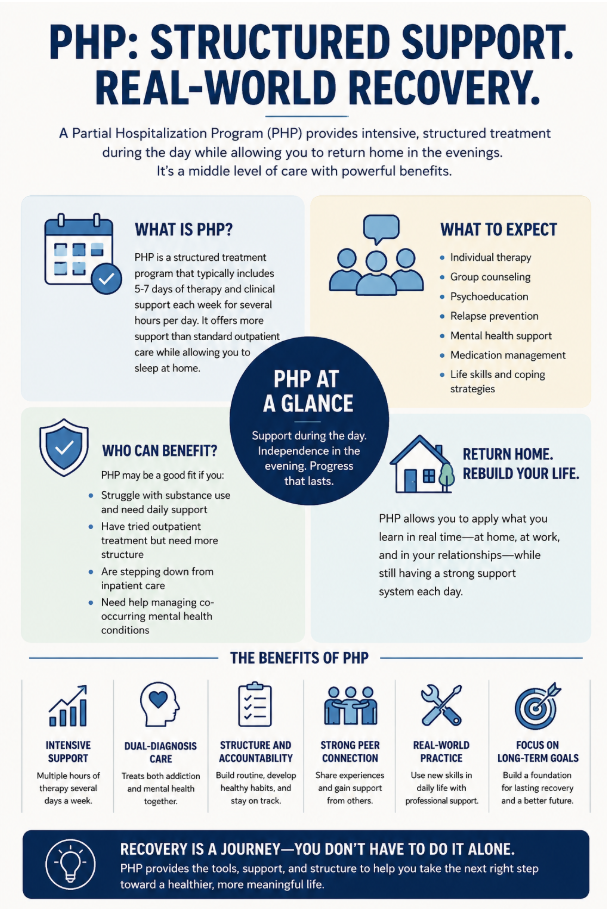
PHP treatment fills an important gap between inpatient rehab and standard outpatient therapy. For people whose lives are becoming increasingly unstable, emotionally overwhelming, or difficult to manage, waiting longer rarely improves the situation. Recognizing the signs early and seeking structured support can prevent far greater damage later on.
©2026 The Dedicated House. All rights reserved. No part of this blog post may be used or reproduced without the written consent of the copyright owner.
Click the links below for any posts you have missed:
 Expert Roofing Contractors for Home Improvement Needs
 Proactive and Eco-Friendly Pest Management Strategies
 Accessible and Efficient Heating and Cooling Solutions
 Creative Outdoor Lighting Ideas that Can Make Your Backyard More Functional and Inviting This Summer
 How Long Does Water Damage Restoration Take? A Realistic Timeline
 Room-by-Room Lighting Guide: How to Pick the Right Fixture
I’d love for you to join my email list! You’ll receive a notification straight to your inbox which will include links to my latest home project posts! Simply enter your address below.
Thanks for stopping by! Have a wonderful day/night depending on where you are in the world! Go with God and remember to be kind to one another!
Toodles,

Leave a Reply