Lighting is one of the easiest ways to make your home feel pulled together, but it is also one of the most overlooked design tools. The right fixture can change how big a room feels, how you use the space, and even how relaxed you are at the end of the day. Relying on a single overhead light is the biggest mistake most homeowners make; it flattens the room, creates harsh shadows, and wastes the decorating potential hanging right above your head.
In this guide, you will learn how to choose the right light fixture, build a cohesive whole‑home plan, layer light room by room, and even make your own pendant light for a high‑end look on a DIY budget.

How to Choose the Right Light Fixtures for a Room
To choose the right light fixtures for a room, follow these steps:
- Assess the room’s main function.
- Measure your space and ceiling height.
- Decide which lighting layer you need most.
- Choose style, metal finish, and shade.
- Confirm the correct bulb type and brightness.
A helpful rule of thumb for sizing a chandelier or pendant is to add the room’s length and width (in feet) and use that number as the fixture diameter (in inches). For example, a 12‑by‑14‑foot dining room can handle a chandelier around 26 inches wide. The “3 lighting rule” simply means every room should have three layers of light: ambient (overall), task (focused for work or reading), and accent (for mood and visual interest). Aim to choose fixtures that support at least two of those layers in each space, so your lighting feels intentional rather than random.
Coordinating Finishes for a Whole‑Home Lighting Plan
A cohesive lighting plan starts with metal finishes. Pick one dominant finish—such as warm brass, matte black, or polished nickel—and repeat it in major fixtures like chandeliers, pendants, and vanity lights. Then you can add a secondary finish to smaller accents, such as cabinet hardware or picture frames. When mixing metals, keep sheens consistent (all matte or all polished) and pay attention to the shapes and lines of your fixtures so they feel related rather than competing. Always check product photos and descriptions closely; some “oil‑rubbed bronze” fixtures read almost matte black once installed, which can actually help tie mixed finishes together if you plan for it.
Room‑by‑Room Interior Lighting Strategies
Think of each room as its own lighting recipe. The ingredients—ambient, task, and accent light—are the same, but the proportions change depending on how you use the space. Dimmers and smart lighting controls are your secret weapons here. They let you turn bright task lighting into soft evening glow with a tap on the wall or an app, so the same fixture works for meal prep, homework, and movie night.
Kitchen and Dining Room Lighting
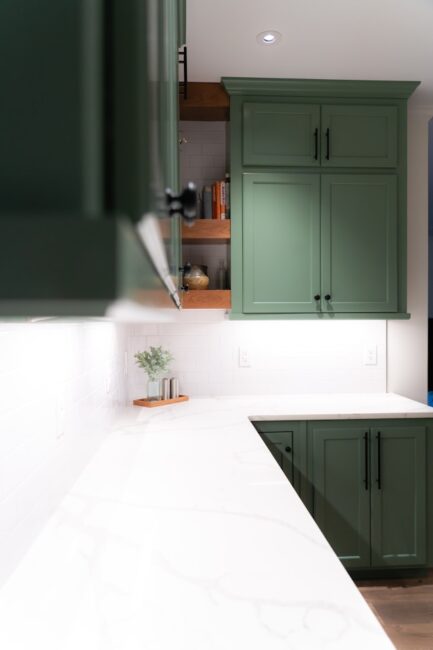
Kitchens are hardworking spaces that need bright, clear task lighting. Combine a strong ambient source (like recessed lights or a central flush mount) with under‑cabinet lighting to illuminate countertops without casting shadows from your body. Over an island or dining table, pendants or a chandelier become functional art: they provide focused light on the surface while serving as the room’s visual focal point. Hang pendants so the bottom of the shade sits roughly 30 to 36 inches above the countertop or table for comfortable sight lines.
Living Room and Bedroom Lighting
Living rooms and bedrooms are all about comfort and coziness, so lean into warm, layered lighting rather than a single overhead fixture. Use mid‑level lighting, such as table lamps, floor lamps, and wall sconces, to create pools of light where you sit, read, or relax. The “5–7 light rule” refers to mounting many wall or pendant shades so the bottom sits between about 58 and 64 inches from the floor—roughly eye level for most adults—so the light feels natural and flattering. Avoid placing harsh overhead lights directly above the bed, which can feel like a spotlight; instead, choose bedside sconces, pendants, or lamps with soft shades.
Bathroom and Utility Space Lighting
In bathrooms and utility areas, safety and visibility come first. Choose bright, neutral, or cool white light so colors appear accurate and tasks like shaving or applying makeup are easier. Mount sconces at or just below eye level on either side of the mirror to minimize facial shadows, and consider an additional light above the mirror for balanced illumination. In laundry rooms, garages, or basements, choose moisture‑resistant or damp‑rated fixtures and keep pathways, appliances, and work surfaces well-lit.
Budget‑Friendly Customization: How to Make Your Own Pendant Light
Once you have a room‑by‑room plan, a DIY pendant light is a great way to add a custom focal point without splurging. For this project, you will need: a plug‑in or hardwired pendant light cord kit (look for UL‑listed options), a shade such as a woven basket or metal bowl, a drill or snips to create an opening if needed, wire strippers, and an LED bulb suited to your space.
- Measure your room and decide how large the shade should be. For a single pendant over a dining table, aim for a shade diameter of about one‑half to two‑thirds the table width.
- Prepare the shade by carefully cutting or drilling a centered hole just large enough for the socket or cord to pass through.
- If your cord kit requires wiring, strip only the recommended amount of insulation, follow the manufacturer’s instructions, and always shut off power at the breaker before beginning any electrical work.
- Secure the socket and shade so the fixture hangs straight and cannot slip through the opening.
- Mount or swag the pendant according to the kit directions, then install the bulb and test.
If you are not comfortable working with electricity, use a plug‑in kit or hire a licensed electrician for the hardwiring.
The Psychology of Light: Bulbs and Color Temperature
Bulb choice is the final piece of your lighting plan. Color temperature is measured in Kelvin (K): warm white typically falls between 2700K and 3000K, neutral or cool white between 3500K and 4100K, and daylight‑cool between 5000K and 6500K. Lower Kelvin values produce a softer, amber glow perfect for bedrooms and living rooms, while higher values create crisp, blue‑white light suited to kitchens, baths, and workspaces. Cooler, blue‑rich light in the evening can disrupt circadian rhythms and make it harder to fall asleep, so stick with warm bulbs near the bed and in relaxation zones. LED bulbs are the best all‑around choice; they use less energy than incandescent bulbs and typically last years longer, which saves money over time.
Thoughtful lighting can make a starter home feel designer‑level by combining layered light, cohesive finishes, and a few smart DIY projects. When you plan each room’s function, lean on the 3-lighting rule and use sizing formulas and mounting guidelines, you remove the guesswork and avoid costly mistakes. Try making your own pendant light to add a custom, budget‑friendly statement piece in your kitchen, dining room, or bedroom, then experiment with bulbs and dimmers to fine‑tune the mood. For safety, always follow a trusted guide on turning off power at the breaker before electrical work, and bookmark a Kelvin color temperature chart as you shop for bulbs.
©2026 The Dedicated House. All rights reserved. No part of this blog post may be used or reproduced without the written consent of the copyright owner.
Click the links below for any posts you have missed:
 How the Homes that Impress Most Are Designed from the Outside In
 Why Concrete Calculators Are Becoming Essential for Modern Project Planning
 Signs Your Home May Need Better Humidity Control Throughout the Year
 Why It Is Important to Hire Professional Insured Roofing Contractors When Replacing Your Home’s Roof
 5 Benefits of Upgrading Your Home’s Plumbing Fixtures
 12 Stunning Kitchens with Sage Green Cabinets that Will Inspire Your Next Remodel
I’d love for you to join my email list! You’ll receive a notification straight to your inbox which will include links to my latest home project posts! Simply enter your address below.
Thanks for stopping by! Have a wonderful day/night depending on where you are in the world! Go with God and remember to be kind to one another!
Toodles,

Leave a Reply