Most people don’t think about their water heater until the morning the shower runs cold. By then the choice is rushed, and water heater replacement gets decided in a hurry, often while someone is mopping the floor.
A tank usually gives some warning before it quits, though. If you know what to look for, you can plan the swap on your own schedule and pick the right unit instead of whatever happens to be on the truck.
Start with the Age of the Unit
Age is the first thing to check, because it changes how you read every other sign. A small problem on a newer heater is usually worth repairing, while the same problem on an older one is often the start of a slow decline.
The manufacture date is on the label on the side of the tank. Many brands code it into the serial number, with letters or digits standing for the month and year, and the maker’s website will usually explain how to read it. [NEED: typical lifespan for tank and tankless water heaters, with source] Once you know where your heater sits in that range, the symptoms below are much easier to judge.
Rusty Water or a Leak at the Base
Rust-colored hot water and water pooling under the tank are the two signs most likely to mean the heater needs to go. If the rust shows up only in the hot water and the cold side runs clear, the inside of the tank is corroding. Once the steel starts to rust through, there’s no patching it.
A leak at the base is the more urgent of the two. Check first that it isn’t coming from a loose fitting on the supply lines or from the relief valve, since those parts can be tightened or replaced. If the water is seeping from the tank itself, plan on replacing it soon. A full tank can give out without much more warning, and the water ends up in the flooring and anything stored nearby.
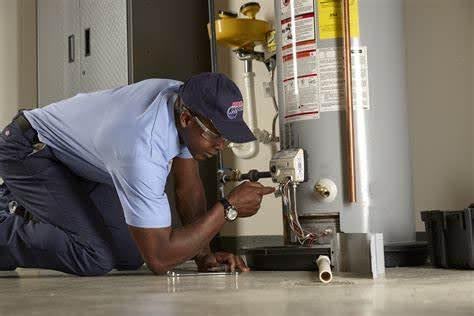
Most homeowners call a plumber at this point rather than try the swap themselves, because the job involves gas or electrical connections along with local code requirements. A plumber who handles water heater replacement will usually size the new unit to your household and haul the old tank away. It also helps to ask whether the quote includes an expansion tank or a new shutoff valve, since older setups sometimes need updates to meet current code.
Strange Noises and Lukewarm Water
Popping or rumbling from the tank usually means sediment has built up on the bottom. Minerals in the water settle out over time and harden into a layer the burner or element has to heat through, which makes the heater work harder and can shorten its life.
Flushing the tank can help if you catch it early. On an older heater with a thick layer, flushing sometimes stirs up more debris than it removes and may not quiet the noise at all. If the heater is already near the end of its expected life and the hot water runs out faster than it used to, replacing it is usually the better use of your money.
Lukewarm water on its own can also come from a failed heating element or thermostat on an electric model, which is a fairly simple repair. A plumber can tell you which one you’re dealing with.
Repair or Replace?
It usually comes down to the age of the heater and the cost of the fix. If a repair on an older unit would cost a large share of a new one, most plumbers will tell you to put the money toward the replacement.
| Situation | Usually the better choice |
|---|---|
| Newer heater with a failed element or thermostat | Repair |
| Newer heater with a leaking fitting or relief valve | Repair |
| Older heater with rust in the hot water | Replace |
| Any heater leaking from the tank itself | Replace |
Water damage from a slow leak isn’t always easy to see, so if your heater has been dripping for a while, our guide to spotting hidden water leaks covers the quieter warning signs to look for around the house.

Choosing the New Water Heater
A replacement is a good time to ask whether the same kind of unit still fits the way your household uses hot water. A family that has grown since the last install may need a bigger tank, while a smaller household might get by with less.
Tankless models heat water as you use it and take up much less space, which appeals to anyone short on room. They cost more up front and may need a larger gas line or an electrical upgrade, so get a quote for both before deciding. Heat pump water heaters are another option for electric homes and use much less energy than a standard electric tank [NEED: source for heat pump water heater efficiency, such as ENERGY STAR or the Department of Energy]. They need some open air around them, which rules out a tight closet.
If you’re planning other changes, think about location as well. Moving a water heater means moving its water lines and venting, much like the planning involved when you relocate a laundry room. Doing both projects at the same time can save on labor.
Plan Before It Fails
The easiest replacement is the one you schedule yourself. A little prep now makes the call to a plumber quicker when the time comes.
- Write down the age and tank size of your current heater from the label.
- Take a photo of the setup, including the pipes and venting, to share when you ask for quotes.
- Get at least two quotes and ask what each one includes.
- Find your main water shutoff so you can turn it off quickly if the tank starts leaking.
Final Thoughts
Age plus symptoms is the clearest guide. A rusty tank or one leaking from the shell is past saving, while a noisy or sluggish one may have some time left if it’s still fairly young. Checking the label now, before anything goes wrong, gives you room to choose the replacement rather than taking whatever is available on an emergency call. You’ll find more seasonal checklists in our home maintenance section.
©2026 The Dedicated House. All rights reserved. No part of this blog post may be used or reproduced without the written consent of the copyright owner.
Click the links below for any posts you have missed:
 How to Recreate the Steakhouse Experience at Home
 Essential Wood Considerations When Building a Home Sauna
 15 Tips for Buying Home Furniture
 How to Relocate a Laundry Room: Key Tips for a Smooth Move
 8 Best Practices for a Safe Senior Move
 Essential Tips for Year-Round Pool Maintenance and Care
I’d love for you to join my email list! You’ll receive a notification straight to your inbox which will include links to my latest home project posts! Simply enter your address below.
Thanks for stopping by! Have a wonderful day/night depending on where you are in the world! Go with God and remember to be kind to one another!
Toodles,

Leave a Reply