The way we experience our homes changes dramatically after sunset. Effective landscape lighting does more than just illuminate the dark. It enhances curb appeal, improves safety, and expands the usability of our outdoor living areas. It creates a welcoming atmosphere, highlighting the unique features of any property.
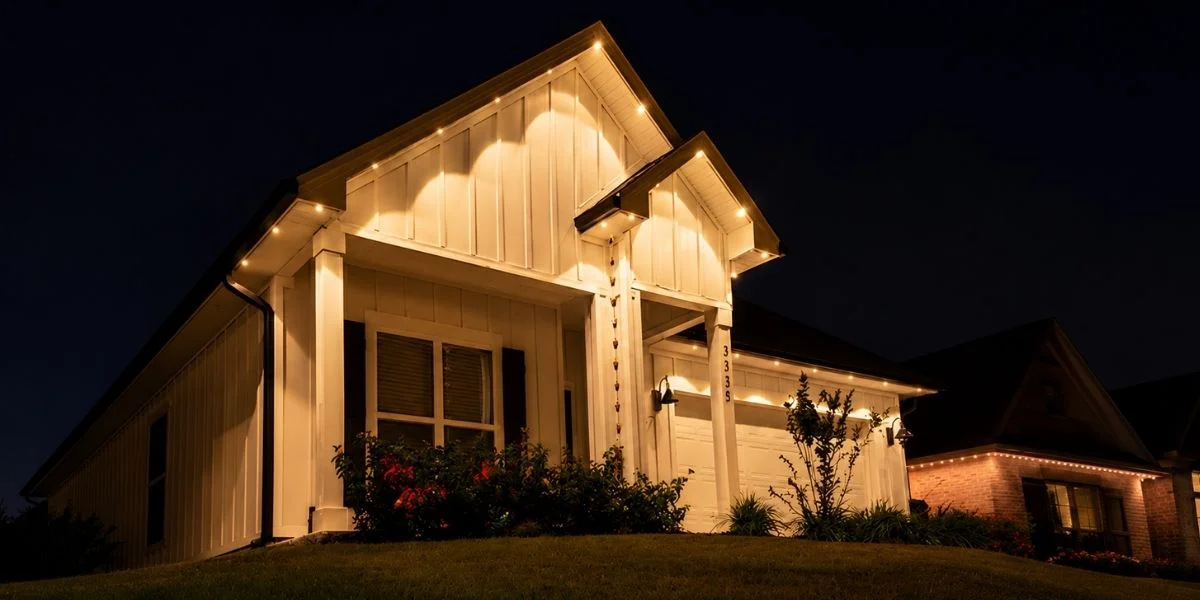
A crucial part of this transformation involves sophisticated permanent trim lighting. This specialized approach adds a distinct, year-round elegance to your home’s architecture. This type of lighting, often referred to as landscape permanent trim holiday lighting, offers a seamless blend of aesthetics and practicality.
In this extensive guide, we will explore the art and science behind designing captivating outdoor illumination. We will delve into core techniques and architectural integration. We will also cover how to ensure the longevity of modern lighting systems. Our aim is to help you create visually stunning and functional outdoor spaces that impress every day of the year.
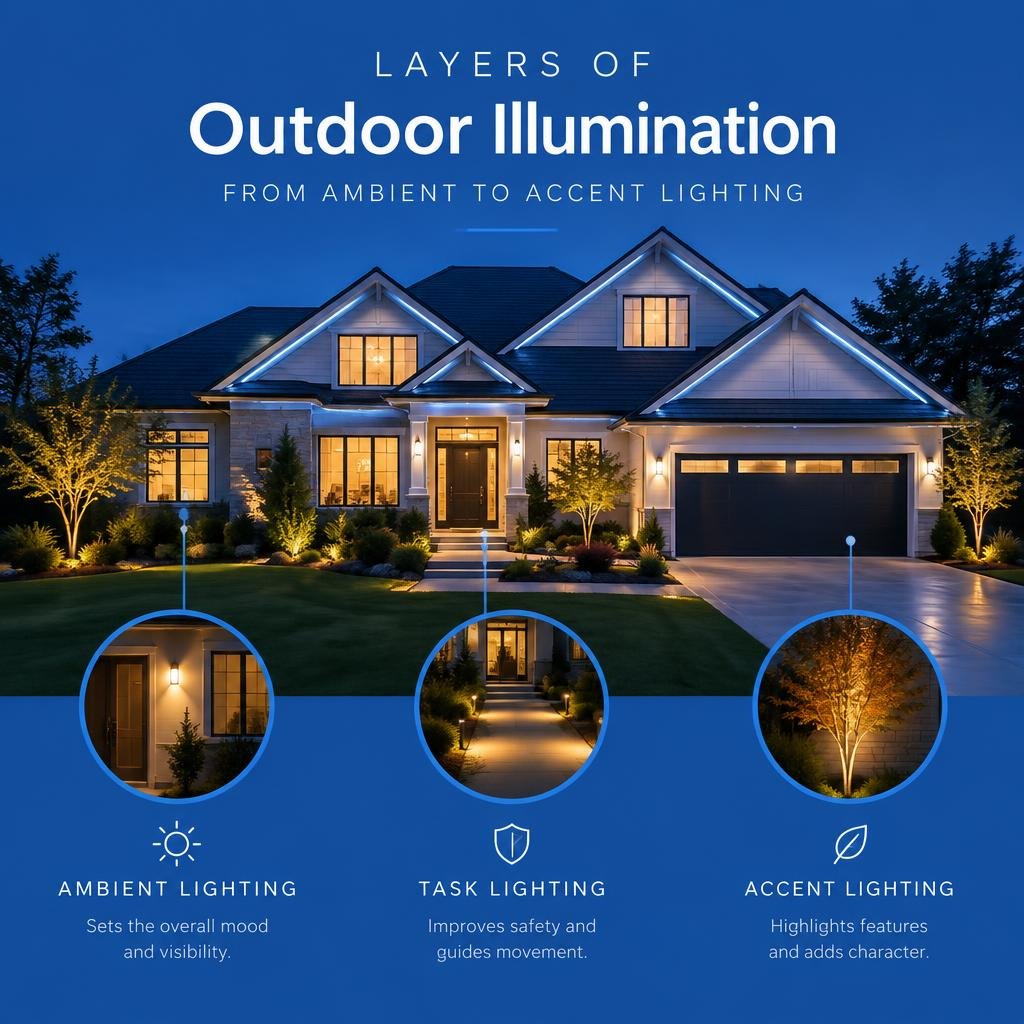
Crafting an effective outdoor lighting scheme is an art form that balances aesthetics with functionality. It requires a deep understanding of how light interacts with the environment, influencing mood, safety, and visual appeal. Our approach focuses on creating an illumination balance that avoids harsh contrasts, ensuring a gentle transition from light to shadow. Key considerations include selecting the appropriate color temperature for different elements, from warm, inviting tones for gathering spaces to cooler, crisp light for architectural highlights. Beam angles are also critical, allowing us to precisely direct light to specific features while minimizing light pollution and spillover into unwanted areas. Furthermore, energy efficiency is paramount in today’s designs, with advanced LED technologies offering powerful illumination with minimal energy consumption.
Foundational Elements of Landscape Lighting Design
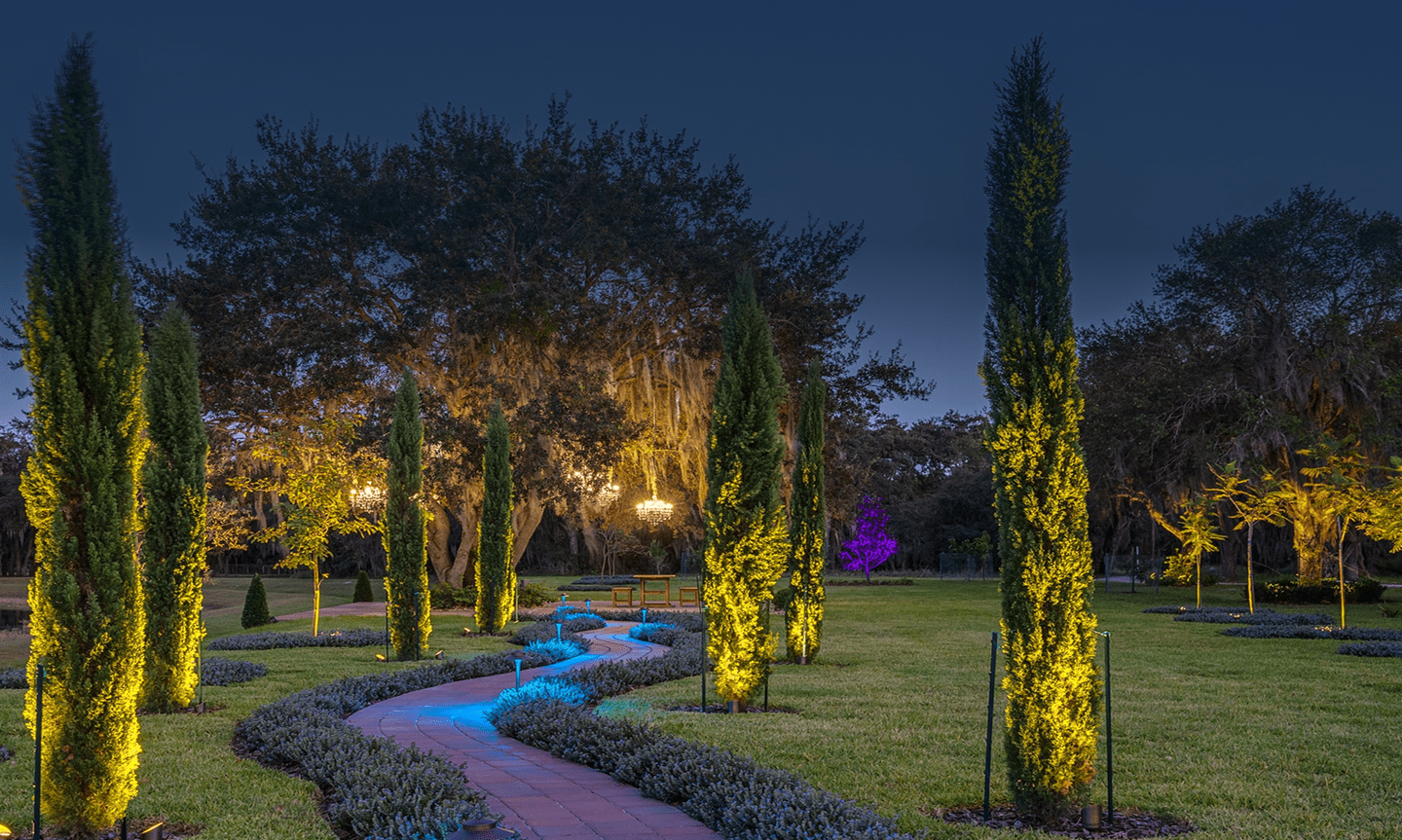
At the heart of any well-executed landscape lighting plan are several foundational techniques, each serving a distinct purpose in shaping the nocturnal landscape. Pathway lighting ensures safe navigation, gently guiding visitors along walkways and steps without creating glare. Uplighting, a dramatic technique, involves placing fixtures at the base of trees, architectural features, or textured walls to project light upwards, emphasizing their form and creating striking shadows. Moonlighting, conversely, places fixtures high in trees to cast a soft, dappled light downwards, mimicking the natural glow of moonlight.
The widespread adoption of low-voltage LEDs has revolutionized outdoor lighting, offering unparalleled flexibility, durability, and energy savings. These systems are safer to install and operate than traditional high-voltage options, and their compact size allows for discreet placement. Critical to all these applications is glare control. Properly shielded fixtures and thoughtful placement prevent light from directly entering the eye, ensuring comfort and preserving the beauty of the illuminated scene.
To illustrate the versatility of these techniques, consider the distinct applications of uplighting versus downlighting:
Feature Uplighting Application Downlighting Application Purpose Accentuates vertical elements, creates drama, highlights texture Provides ambient light, illuminates pathways, mimics natural light Placement Ground-level, at the base of objects High in trees, under eaves, on pergolas Effect Highlights form, texture, creates striking silhouettes Soft, diffused light, reduces glare, enhances safety Best For Trees, architectural facades, statues, textured walls Pathways, patios, dining areas, general area illumination Common Fixture Spotlights, well lights Path lights, bullet lights, hanging lights Visual Impact Dramatic, artistic, emphasizes height Subtle, functional, natural, enhances spaciousness
Layering Fixtures for Aesthetic Depth
True mastery in landscape lighting comes from the art of layering. This technique involves combining various lighting methods to create depth, dimension, and visual interest throughout the outdoor space. By strategically illuminating focal points such as specimen trees, sculptures, or water features, we draw the eye and establish a clear visual hierarchy. Shadow play becomes an intentional design element, adding intrigue and texture to walls and foliage. Hardscape illumination, including steps, retaining walls, and patios, not only enhances safety but also defines outdoor rooms and extends their usability into the evening hours. Silhouette effects, achieved by placing light behind an object, can create a dramatic outline against a brighter background.
For a truly comprehensive outdoor living area, a thoughtful selection of fixtures is essential. Here are some key fixtures we often integrate to achieve a layered effect:
- Path Lights: Guide movement and define walkways with soft, downward-facing light.
- Spotlights: Provide focused beams to highlight specific features like trees, statues, or architectural details.
- Flood Lights: Offer broader illumination for larger areas or to wash walls with light.
- Well Lights: Recessed into the ground, these provide subtle uplighting for trees or architectural elements, often disappearing from view during the day.
- Deck & Step Lights: Integrated into decking or risers, these ensure safety and add ambient glow to outdoor entertaining spaces.
- Underwater Lights: Illuminate ponds, fountains, and pools, adding a magical quality to water features.
- Moonlighting Fixtures: Placed high in trees, these create a natural, dappled light effect over larger areas.
- Permanent Trim Lights: Discreetly integrated into architectural lines, offering versatile, year-round ambient and accent lighting.
By combining these elements, we can transform any outdoor space into a captivating nighttime environment, extending its beauty and functionality long after the sun sets.
Architectural Integration and System Longevity
Integrating lighting seamlessly with a property’s architecture and ensuring its long-term performance are crucial aspects of professional design. This involves more than just placing lights; it means understanding the electrical infrastructure, anticipating future needs, and selecting components that withstand the elements. Modern systems often incorporate smart controls, allowing homeowners to manage their lighting remotely, schedule scenes, and adjust brightness and color with ease. Careful consideration of voltage drop is essential in larger installations to ensure consistent brightness across all fixtures. Before any installation, detailed design renderings provide a visual blueprint, allowing clients to visualize the final outcome and make informed decisions. Zoning controls further enhance flexibility, enabling different areas of the landscape to be illuminated independently. Finally, robust weatherproofing for all components is non-negotiable, protecting the investment against rain, snow, and extreme temperatures.
Modern Landscape Lighting Design for Architectural Trim
One of the most impactful advancements in outdoor illumination is the rise of permanent trim lighting. These systems are specifically designed to integrate flawlessly with a home’s existing architectural lines, such as rooflines, gables, and eaves. Unlike temporary holiday lights, permanent trim lighting offers a sophisticated, year-round aesthetic that enhances a property’s curb appeal every single day. The discreet nature of these lights means they are virtually invisible during daylight hours, preserving the clean lines of the home.
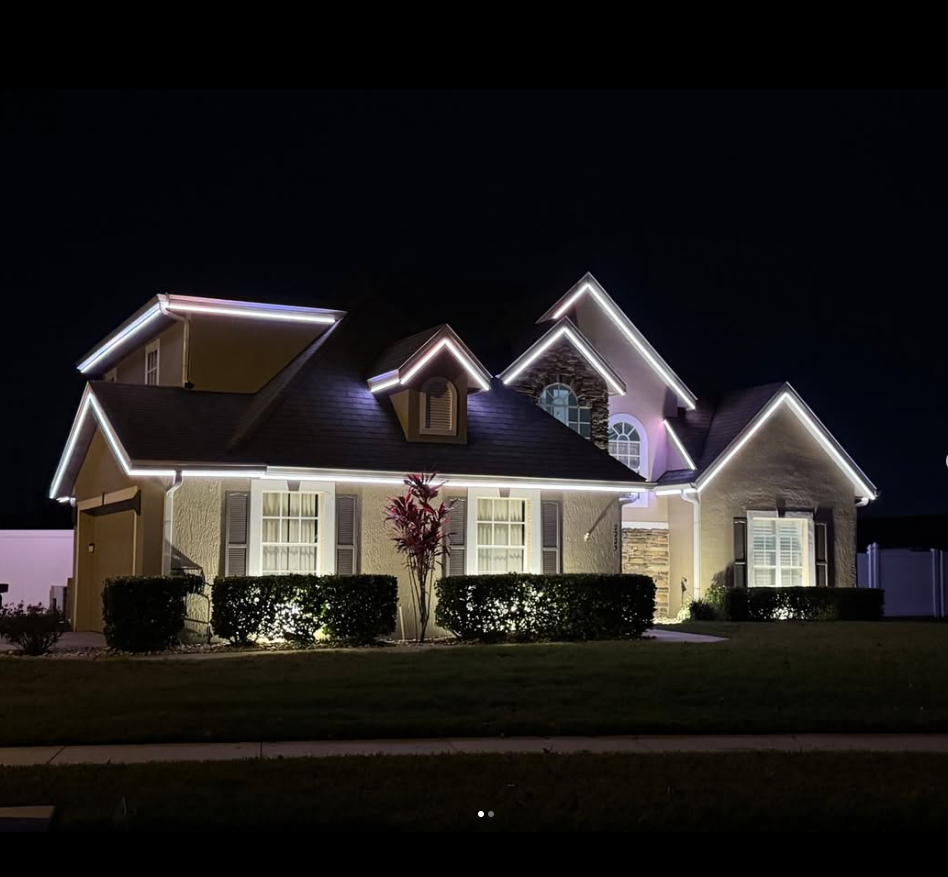
These systems excel at creating striking roofline accents, defining the home’s silhouette against the night sky. The flexibility of modern solutions, often referred to as landscape permanent trim holiday lighting, allows for dynamic color tuning, enabling homeowners to switch from warm white ambient light to vibrant colors for special occasions or holidays, all at the touch of a button. Crucially, professional installation ensures concealed wiring, maintaining the architectural integrity and preventing unsightly cables. The result is a refined, elegant lighting solution that provides both ambient illumination and festive flair, offering unparalleled versatility and year-round aesthetics.
Maintenance Programs and Long-Term Efficiency
Even the most robust lighting systems benefit from proactive care to ensure optimal performance and longevity. Establishing a comprehensive maintenance program is key to protecting your investment and keeping your outdoor spaces looking their best. This typically includes seasonal inspections, where technicians check for any loose connections, damaged fixtures, or changes in the landscape that might affect light distribution. Regular lens cleaning is vital to maintain light output and clarity, as dirt, debris, and mineral deposits can significantly diminish brightness and alter beam patterns.
Fixture realignment is another important aspect, as landscaping changes or environmental factors can cause lights to shift over time. Ensuring wires remain properly reburied prevents tripping hazards and protects the electrical integrity of the system. With the prevalence of LED technology, LED longevity is a major advantage, but even these durable components benefit from routine checks. Finally, system diagnostics, often performed annually, can identify potential issues before they become major problems, ensuring that your lighting continues to operate efficiently and beautifully for many years to come. By prioritizing maintenance, homeowners can enjoy their stunning outdoor illumination with peace of mind well into October 2026 and beyond.
Conclusion
The transformation of an outdoor space through expert landscape and permanent trim lighting is a testament to the power of thoughtful design. From the foundational techniques that ensure safety and highlight key features to the seamless integration of architectural trim lighting, every element contributes to an elevated living experience. We’ve explored how balancing illumination, controlling glare, and layering diverse fixtures create depth and visual interest. Furthermore, we’ve emphasized the importance of modern systems that offer smart controls, energy efficiency, and discreet year-round aesthetics. Investing in professional design and a robust maintenance program ensures that your outdoor environment remains a captivating, functional, and beautiful extension of your home, day and night, for years to come.
©2026 The Dedicated House. All rights reserved. No part of this blog post may be used or reproduced without the written consent of the copyright owner.
Click the links below for any posts you have missed:
 Roof Replacement Planning: What Homeowners Should Know Before Starting
 How to Sell Your House As Is on a Timeline that Works for You
 How the Right Paint Colors Can Transform a Seattle Home

 How the Right Roof Can Change the Way Your Federal Way Home Feels
 Inside the Walls: A Homeowner’s Guide to Interior Painting in Seattle’s Older Houses
I’d love for you to join my email list! You’ll receive a notification straight to your inbox which will include links to my latest home project posts! Simply enter your address below.
Thanks for stopping by! Have a wonderful day/night depending on where you are in the world! Go with God and remember to be kind to one another!
Toodles,

Leave a Reply