Imagine a home where hot water never runs out. Picture lower energy bills and more space in your utility closet. Electric tankless water heaters offer these exciting possibilities. They heat water on demand, eliminating standby energy loss common with traditional tanks. This makes them a smart, energy-efficient choice for many homeowners.

However, installing an electric tankless water heater is not a simple task. It requires careful planning and precise execution. Proper installation is crucial for safety, efficiency, and the unit’s longevity. Mistakes can be costly and even dangerous.
In this comprehensive guide, we will explore the critical requirements for setting up an electric tankless water heater. We will cover everything from the specific electrical service needed to essential plumbing modifications. We will also discuss how to size your unit correctly and navigate local building codes.
Our goal is to equip you with the knowledge to understand what a successful electric tankless water heater installation truly involves. This will help us ensure a safe and efficient hot water system for your home.
When considering a tankless water heater, one of the first major decisions is between electric and gas models. While both offer on-demand hot water, their installation requirements diverge significantly, primarily due to their fuel sources and the inherent processes of heating water. Understanding these differences is paramount to selecting the right unit for your home and preparing for a smooth installation.
The most striking difference lies in venting systems and combustion air. Gas tankless water heaters, whether natural gas or propane, burn fuel to heat water. This combustion process produces exhaust gases, including carbon monoxide, which must be safely vented outside the home. This necessitates complex venting systems, often involving Category III stainless steel for non-condensing units or PVC for high-efficiency condensing models, which have cooler exhaust temperatures. These systems require careful routing through walls or roofs, adherence to strict clearance requirements from windows and other openings, and often a dedicated combustion air intake. Indoor gas models also need sufficient fresh air supply to support combustion, which can be a concern in tightly sealed homes.
In stark contrast, electric tankless water heaters do not burn fuel. They use electric heating elements to warm the water as it flows through the unit. This means there are no combustion byproducts, no exhaust gases, and therefore, no need for venting or combustion air. This eliminates a significant portion of the installation complexity and cost associated with gas models. It also offers greater flexibility in terms of placement, as the unit isn’t tied to an exterior wall or a chimney. This distinction is a major advantage for electric units, simplifying installation and often reducing labor time.
Another critical difference for gas models is the requirement for gas line upgrades. Tankless gas water heaters typically demand a much higher BTU input than traditional tank-style gas heaters. While a conventional tank might operate at 30,000-40,000 BTU/hour, a whole-home gas tankless unit can require upwards of 150,000-200,000 BTU/hour. This often means that existing 1/2-inch gas lines are insufficient and must be upgraded to 3/4-inch or even 1-inch lines to deliver the necessary fuel. This can involve running new gas lines, adding sediment traps, and ensuring proper gas pressure, all of which fall under strict plumbing and gas codes.
Electric tankless units, while free from gas line complexities, introduce their own set of unique demands: electrical infrastructure upgrades. Instead of gas lines, these units require substantial electrical power, often necessitating dedicated high-amperage circuits. We will delve into these specific electrical requirements in the next section, but suffice it to say that the electrical demands of a whole-home electric tankless heater are considerably higher than those of a standard electric tank water heater or the 120-volt supply needed for the PC board and digital remote of even a gas-powered unit.
Location flexibility is another point of divergence. While both types can be installed indoors or outdoors (with appropriate outdoor-rated units and freeze protection), the absence of venting for electric units simplifies indoor placement. Gas units, even outdoor models, still have vent termination clearance requirements that must be met, ensuring exhaust gases don’t re-enter the building or cause nuisance to neighbors. Some gas models may offer zero-clearance mounting to combustibles, but this is less common for electric units which generally require some space for air circulation and access.
Understanding the layered framework of regulations for both types is crucial. For a deeper dive into the broader code landscape, including specifics for gas models, you can consult resources like the Tankless Water Heater Installation Requirements and Codes. This resource highlights the various model codes (IFGC, IPC, NEC) that govern installations, emphasizing the need for permits and adherence to manufacturer instructions to avoid improper operation, safety issues, and voiding warranties.
The choice between electric and gas tankless water heaters, and the subsequent installation planning, hinges on your home’s existing infrastructure, local codes, and your specific hot water needs. For electric models, the primary focus shifts from gas and venting to ensuring a robust electrical supply.
Electrical Infrastructure and AllStar Electric Tankless Needs
The electrical demands of an electric tankless water heater are perhaps its most critical and often underestimated installation requirement. Unlike their gas counterparts, which primarily rely on a gas supply, electric tankless units draw significant power to heat water instantaneously. This necessitates a thorough assessment and potential upgrade of your home’s electrical infrastructure.
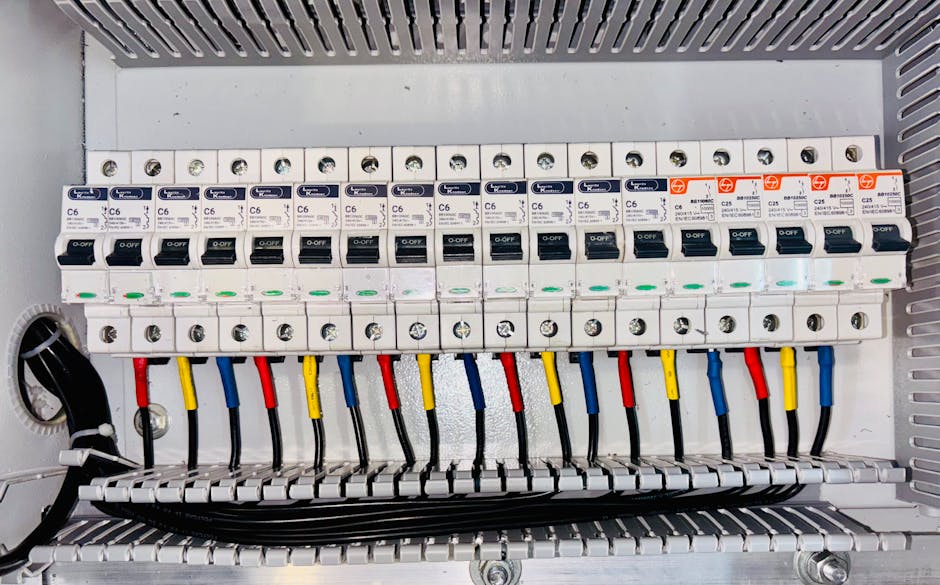
At the heart of an electric tankless system is the 240-volt electrical service. Most whole-home electric tankless water heaters operate on 240V, which is the same voltage used by large appliances like electric ovens and clothes dryers. However, the amperage draw for these units is substantially higher. For instance, smaller 12.2 kW electric tankless water heaters draw approximately 51 amps on a 240-volt supply, while larger 32 kW units can demand a hefty 133 amps at 240 volts. This level of power consumption requires dedicated circuits to prevent overloading your home’s electrical system.
To accommodate this high amperage, you will need double-pole breakers in your electrical panel. For smaller units, one 60-amp double-pole breaker might suffice. However, larger units often require multiple double-pole breakers, potentially two 40-70 amp breakers, or even more for high-capacity whole-house systems. The National Electrical Code (NEC) dictates that circuits should be sized to handle 125% of the continuous load, so a unit drawing 51 amps would typically require a 60-amp breaker (51A * 1.25 = 63.75A, rounded up to the next standard breaker size).
The wire gauge connecting the breaker to the tankless unit is equally crucial. The recommended wire size for current electric tankless water heaters is typically 6-gauge copper wire, which is rated for 65 amps. Some models might permit 8-gauge wire, but consult the manufacturer’s specifications and local electrical codes. For sections exposed under sinks, such as for point-of-use units, 8-gauge armored cable is often required for added protection. Both 120-volt and 240-volt electric tankless units, even point-of-use models, generally require at least 8-gauge wire, though the amperage draw will vary significantly.
The need for these high-amperage, dedicated circuits often leads to the necessity of electrical panel upgrades. If your existing electrical panel does not have sufficient space for the required number of double-pole breakers, or if your home’s overall electrical service (e.g., 100-amp service) cannot handle the additional load, a full panel upgrade to 150-amp or 200-amp service may be required. This is a significant undertaking that should always be performed by a licensed electrician to ensure National Electrical Code compliance and the safety of your home. Attempting to install a high-power electric tankless unit without adequate electrical service can lead to tripped breakers, damaged wiring, and even fire hazards.
When considering an electric tankless water heater, assess your home’s current electrical capacity. This is where professional expertise becomes indispensable. Reputable plumbing and electrical service providers can evaluate your existing setup and advise on the necessary upgrades. For all your AllStar electric tankless needs, including electrical assessments and installation, consulting with qualified professionals ensures that your system is not only installed correctly but also safely and efficiently integrated into your home’s infrastructure. This upfront planning prevents costly rework and ensures reliable hot water for years to come.
Sizing, Location, and Plumbing Modifications
Properly sizing your electric tankless water heater is the cornerstone of a successful installation, ensuring you have enough hot water when you need it. Once sized, the unit’s location and the necessary plumbing modifications are the next critical steps.
Sizing Calculations for AllStar Electric Tankless Needs
Unlike traditional tank water heaters, which are sized by storage capacity (gallons), electric tankless units are sized based on their ability to heat a certain volume of water to a specific temperature rise at a given flow rate.
Once you have your peak GPM and required temperature rise, you can consult manufacturer sizing charts for various electric tankless models. These charts will specify the unit’s maximum GPM delivery at different temperature rises. It’s often recommended to choose a unit that can comfortably meet or slightly exceed your peak demand, especially in colder climates, to ensure consistent hot water. When researching options for a new tankless water heater, always factor in these calculations.
Clearance and Location Guidelines
The compact size of electric tankless water heaters offers flexibility in placement, but certain guidelines must be followed for safety, accessibility, and optimal performance.
Plumbing Modifications
Installing an electric tankless water heater requires several plumbing modifications to integrate it safely and efficiently into your home’s water system.

Careful planning and execution of these plumbing modifications are crucial for the efficient and safe operation of your electric tankless water heater.
Code Compliance, Professional Installation, and Commissioning
Installing an electric tankless water heater is a complex undertaking that involves significant electrical and plumbing work. For these reasons, adhering to local building codes, obtaining necessary permits, and ideally, entrusting the job to qualified professionals are not just recommendations—they are often legal requirements and crucial for safety and long-term performance.
Navigating Local Building Codes and Permits
Every tankless water heater installation, whether electric or gas, is subject to a “layered framework” of regulations. This includes national model codes such as the National Electrical Code (NEC) for electrical work and the International Plumbing Code (IPC) for plumbing. However, these national codes are adopted and often amended at the state and local levels. This means that local building codes can vary significantly from one municipality to another, even within the same state.
Ignoring these steps is a common pitfall that can lead to significant headaches down the road.
Should Electric Tankless Water Heaters Be Installed by Professionals?
The unequivocal answer is yes. While some DIY guides exist, particularly for point-of-use units, the installation of a whole-home electric tankless water heater is not a DIY project for most homeowners.
For these reasons, we strongly recommend hiring a licensed and experienced professional for your water heater installation. While a guide like How to Install a Tankless Water Heater can provide a general overview, it also highlights the complexity and often advises professional help for critical steps.
Safety Protocols and AllStar Electric Tankless Needs
For reliable and safe execution of all these safety measures and technical requirements, particularly when dealing with the high electrical demands of these units, professional expertise for all your AllStar electric tankless needs is invaluable.
Testing and Commissioning Procedures
Once the physical installation is complete, the unit must be carefully tested and commissioned to ensure safe and proper operation.
Proper commissioning is the final step to guarantee that your electric tankless water heater is ready to provide endless hot water efficiently and safely.
Ongoing Maintenance and Cost Factors
Even after a professional installation, an electric tankless water heater requires ongoing maintenance to ensure its longevity, efficiency, and continued safe operation. Understanding these requirements and the overall cost implications is vital for homeowners.
Ongoing Maintenance for Longevity and Efficiency
While electric tankless water heaters are generally robust, they are not maintenance-free. The primary concern for most homeowners, especially those in areas with hard water, is scale buildup. Hard water contains minerals like calcium and magnesium, which can precipitate out of the water and accumulate on the heating elements and inside the heat exchanger. This scale acts as an insulator, reducing the unit’s efficiency, increasing energy consumption, and eventually leading to reduced hot water flow and premature failure.
Therefore, the most crucial maintenance task is annual descaling or flushing of the heat exchanger. This process involves circulating a vinegar or specialized descaling solution through the unit to dissolve mineral deposits. Many units are installed with dedicated service valves that include flush ports, making this process relatively straightforward for a plumber.
Neglecting these maintenance steps, particularly descaling, can significantly shorten the lifespan of your electric tankless water heater and negate its energy-saving benefits. For reliable water heater maintenance, scheduling annual professional tune-ups is a wise investment.
Common Installation Costs and Factors Influencing Price
The initial cost of installing an electric tankless water heater can be higher than that of a traditional tank-style heater, primarily due to the specialized electrical and plumbing work involved.
While the upfront investment can seem substantial, electric tankless water heaters offer significant long-term energy savings. By heating water only when needed, they eliminate the standby energy losses associated with keeping a large tank of water hot 24/7. The U.S. Department of Energy estimates that tankless water heaters can be 24-34% more energy-efficient for homes that use 41 gallons or less of hot water daily.
The payback period for an electric tankless water heater—the time it takes for energy savings to offset the higher initial installation cost—can vary. Factors like your household’s hot water usage, local electricity rates, and the extent of required electrical upgrades all play a role. However, with an average lifespan of 15-20 years (compared to 8-12 for tank heaters), the long-term efficiency and reduced operating costs often make them a sound financial decision. Furthermore, as of June 2026, ongoing advancements and potential future efficiency standards continue to make these units an attractive option for sustainable home living.
Frequently Asked Questions
Do electric tankless water heaters require venting?
No, electric tankless water heaters do not require any venting. This is a key advantage over gas tankless models. Electric units heat water using electrical resistance elements, so there is no combustion process, no burning of fossil fuels, and therefore no production of exhaust gases like carbon monoxide. This means homeowners benefit from zero venting requirements, which simplifies installation and provides greater flexibility for indoor installation flexibility. In contrast, gas models require complex venting systems (e.g., Category III stainless steel or PVC) to safely expel combustion byproducts to the outdoors, along with dedicated combustion air.
What wire gauge is required for a 240V electric tankless water heater?
The specific wire gauge required for a 240V electric tankless water heater depends directly on the unit’s power (kilowattage) and its corresponding amperage draw, as well as the length of the wire run. For many whole-home electric tankless units, a 6-gauge copper wire is commonly recommended, which is rated for 65 amps. However, some smaller models or point-of-use units might permit 8-gauge wire. It is absolutely crucial to consult the manufacturer’s installation manual for your specific model to determine the exact wire gauge and corresponding breaker size. Always adhere to the National Electrical Code (NEC) standards and local electrical codes, which may have additional requirements. For sections of wiring that are exposed, such as under sinks, 8-gauge armored cable may be required for enhanced protection. Always size the wire and breaker to handle 125% of the unit’s continuous load.
Can I install an electric tankless water heater myself?
While the idea of a DIY installation might be appealing to save costs, installing a whole-home electric tankless water heater is generally not recommended for DIY enthusiasts. The primary reasons are the significant high-voltage electrical hazards involved (working with 240V, high-amperage circuits), the need for precise plumbing modifications, and the complexities of permit requirements and local code compliance. Improper electrical work can lead to severe injury, electrocution, fire, or damage to your home’s electrical system. Incorrect plumbing can result in leaks, water damage, and inefficient operation. Furthermore, attempting a DIY installation can often void the unit’s warranty, leaving you without coverage for potential defects. For these critical safety and performance reasons, a professional installation recommendation by a licensed plumber and electrician is always the safest and most reliable approach. They possess the expertise, tools, and knowledge of codes to ensure a safe, efficient, and compliant setup.
Conclusion
The journey to endless hot water with an electric tankless water heater is an exciting one, promising energy efficiency, space savings, and unparalleled convenience. However, as we’ve explored, successful installation is far from a simple plug-and-play operation. It demands meticulous planning and execution, particularly concerning your home’s infrastructure.
By understanding and addressing these critical requirements, you can confidently move forward with your electric tankless water heater project. The initial investment in proper installation will pay dividends in the form of reliable, energy-efficient hot water for many years to come, offering a comfortable and sustainable solution for your home.
©2026 The Dedicated House. All rights reserved. No part of this blog post may be used or reproduced without the written consent of the copyright owner.
Click the links below for any posts you have missed:
 Why Homebuyers Are Flocking to Blue Ridge, Georgia
 Why Play Matters for Healthy Child Development

The Hidden Costs of Food Spoilage
 Pre-Sale Prep: Simple Changes that Can Boost Home Value
 Catching Student Disengagement Before It Grows
 Top 5 Best Real Estate Company in Delray Beach Agencies for 2026 Homebuyers
I’d love for you to join my email list! You’ll receive a notification straight to your inbox which will include links to my latest home project posts! Simply enter your address below.
Thanks for stopping by! Have a wonderful day/night depending on where you are in the world! Go with God and remember to be kind to one another!
Toodles,

Leave a Reply