Experiencing a fire, flood, storm, or other property disaster can leave homeowners feeling overwhelmed and unsure about what happens next. While every situation is different, understanding the property restoration process can provide peace of mind and help you make informed decisions during a stressful time. Professional restoration involves much more than cleaning up visible damage. It is a carefully planned series of steps designed to stabilize the property, prevent additional damage, restore safety, and rebuild affected areas so the home or business can return to its pre-loss condition.
Whether the damage is caused by a burst pipe, kitchen fire, severe storm, or sewage backup, restoration professionals follow a systematic approach that prioritizes safety, efficiency, and long-term results. Knowing what to expect at each stage can help property owners better navigate insurance claims, understand project timelines, and work confidently with their restoration contractor.
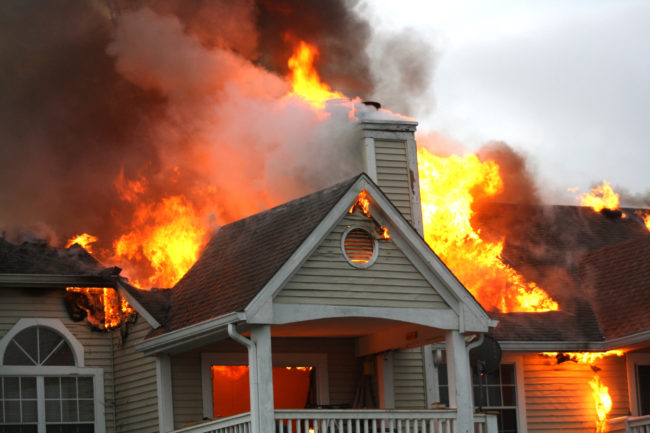
Why Immediate Response Is so Important
Time is one of the biggest factors that determines how much damage a property ultimately suffers. Water begins soaking into drywall, flooring, and insulation within minutes. Smoke residue starts settling on surfaces almost immediately after a fire is extinguished, while storm damage can leave a home exposed to additional rain, wind, or debris.
Delaying restoration often allows secondary damage to develop. Moisture trapped inside walls may lead to mold growth within 24 to 48 hours, while soot can permanently stain surfaces if it is not removed promptly. Acting quickly not only reduces repair costs but also increases the likelihood that more of the home’s original materials can be preserved.
That is why most professional restoration companies offer emergency response services 24 hours a day, seven days a week.
Phase One: Emergency Contact and Rapid Response
The restoration process begins with a phone call. During the initial conversation, the restoration company gathers information about the emergency, including the type of damage, the size of the property, and any immediate safety concerns.
Once technicians arrive, their first priority is ensuring the property is safe to enter. They look for structural hazards, electrical risks, gas leaks, and other dangerous conditions before beginning any restoration work.
Fast response is especially critical after water damage because every passing hour allows moisture to spread deeper into building materials. In fire situations, immediate action helps limit additional smoke and soot damage throughout the structure.
A rapid response lays the foundation for a successful restoration project.
Phase Two: Inspection and Damage Assessment
After the property has been stabilized, restoration professionals perform a comprehensive inspection. This assessment determines the full extent of the damage and identifies areas that may not be visible during a routine walk-through.
Modern restoration companies rely on advanced technology to evaluate hidden damage. Moisture meters detect water trapped inside walls and flooring, while thermal imaging cameras identify temperature differences that may indicate concealed moisture. Air quality testing may also be performed if smoke or mold contamination is suspected.
The inspection serves several purposes. It helps create an accurate restoration plan, provides documentation for insurance claims, and allows technicians to estimate the time and resources required for the project.
Without a thorough assessment, important damage could be overlooked, leading to future repairs and unnecessary expenses.
Phase Three: Securing and Stabilizing the Property
Before cleanup begins, the restoration team focuses on preventing additional damage.
If the roof has been damaged during a storm or fire, temporary tarps may be installed to keep rain from entering the structure. Broken windows are often boarded up to protect against weather exposure and unauthorized access. In some cases, damaged walls or ceilings require temporary structural supports until permanent repairs can be completed.
These emergency measures help preserve the condition of the property while restoration work is underway. They also provide a safer environment for technicians and homeowners throughout the project.
Although stabilization is often temporary, it plays a critical role in preventing a manageable situation from becoming much worse.
Phase Four: Water Extraction and Structural Drying
Many restoration projects involve water removal, even when water was not the original cause of the damage. Firefighting efforts frequently leave large amounts of water inside the property, and storms often result in both wind and water intrusion.
Professional restoration companies use commercial-grade extraction equipment capable of removing thousands of gallons of water quickly. Once standing water has been removed, technicians begin the drying process using industrial air movers and dehumidifiers.
Drying is not simply about making surfaces feel dry. Moisture hidden inside framing, drywall, insulation, and flooring must also be eliminated. Restoration professionals monitor moisture levels daily to ensure the structure reaches acceptable drying standards before repairs begin.
Skipping this step or rushing the drying process can lead to mold growth, warped building materials, and ongoing structural problems.
Phase Five: Cleaning, Sanitization, and Decontamination
Once the structure is dry and stable, cleaning begins. The methods used depend on the type of damage involved.
Water damage often requires antimicrobial treatments to reduce the risk of bacterial contamination and mold development. Fire restoration involves specialized cleaning techniques that remove smoke residue and soot from walls, ceilings, flooring, and personal belongings. Storm damage may require debris removal, sanitization, and cleaning of contaminated surfaces.
Professional cleaning goes far beyond improving appearance. The goal is to restore a healthy indoor environment by removing contaminants that could affect occupants long after the visible damage has been repaired.
This stage also prepares the property for the repair and reconstruction phases that follow.
Phase Six: Restoring Personal Belongings
One of the most emotional aspects of any disaster is the potential loss of personal possessions. Fortunately, many belongings that appear severely damaged can often be restored.
Furniture, electronics, clothing, family photographs, important documents, artwork, and sentimental items may be cleaned and restored using specialized equipment and restoration techniques. In many cases, contents are transported to an off-site restoration facility where they can be treated in a controlled environment.
Professional content restoration helps reduce replacement costs while preserving valuable belongings that cannot easily be replaced.
For many families, recovering treasured possessions is just as important as restoring the home itself.

Phase Seven: Repairing Structural Damage
Once mitigation is complete, the focus shifts to repairing damaged building materials.
The scope of repairs depends on the severity of the disaster. Minor projects may involve replacing drywall, repainting walls, repairing flooring, or installing new trim. Larger restoration projects can require rebuilding entire rooms, replacing roofing systems, repairing structural framing, or reconstructing sections of the home.
Throughout this phase, contractors ensure that repairs meet current building codes while restoring the property’s original appearance and functionality.
The objective is not simply to repair what was damaged but to create a safe, durable, and fully functional living environment.
Phase Eight: Full Reconstruction
In cases involving extensive fire, flood, or storm damage, restoration transitions into reconstruction.
Reconstruction may include rebuilding kitchens, bathrooms, bedrooms, garages, or other heavily damaged areas. Roofing systems, insulation, electrical wiring, plumbing, cabinetry, flooring, and finishes may all need replacement depending on the extent of the loss.
Because reconstruction often involves multiple trades, project management becomes especially important. Experienced restoration companies coordinate contractors, inspectors, suppliers, and insurance representatives to keep the project moving efficiently.
Although reconstruction can take several weeks or months for major losses, it represents the final step toward returning the property to pre-loss condition.
Working with Your Insurance Company
Insurance plays a significant role in many restoration projects. From the initial inspection through final repairs, restoration companies frequently work alongside insurance adjusters to document damage and support the claims process.
Professional documentation includes photographs, moisture readings, repair estimates, and inventories of damaged belongings. These records help establish the scope of the loss and ensure insurance companies have accurate information when evaluating claims.
Property owners should also keep copies of receipts for temporary repairs, hotel accommodations, and emergency expenses that may qualify for reimbursement under their policy.
Maintaining organized documentation can help prevent delays and reduce disputes during the claims process.
How Long Does the Restoration Process Take?
Every restoration project follows its own timeline based on the type and severity of the damage.
Minor water damage may require less than a week to dry and repair. Moderate fire or storm damage often takes several weeks, while major reconstruction projects may continue for several months.
Several factors influence the overall timeline, including:
| Factor | Impact on Timeline |
|---|---|
| Extent of Damage | Larger losses require more restoration work |
| Type of Disaster | Fire, water, mold, and storms each require different procedures |
| Property Size | Larger homes take longer to inspect and restore |
| Insurance Approval | Delays in claim approval can postpone reconstruction |
| Material Availability | Specialty materials may extend project schedules |
Although homeowners naturally want the process completed as quickly as possible, thorough restoration always produces better long-term results than rushed repairs.
Choosing the Right Restoration Company
Not every contractor offers comprehensive restoration services. Choosing an experienced company can make the recovery process far less stressful.
Look for providers that offer emergency response, advanced moisture detection equipment, certified restoration technicians, insurance claim assistance, reconstruction services, and strong customer reviews.
A full-service restoration company can manage every phase of the project from emergency mitigation through final reconstruction, eliminating the need to coordinate multiple contractors.
This continuity often results in faster completion times, better communication, and higher-quality workmanship.
Conclusion
Recovering from property damage is never easy, but understanding the restoration process helps remove much of the uncertainty that follows a disaster. From the initial emergency response and detailed inspection to water extraction, structural drying, cleaning, repairs, and full reconstruction, every phase plays an essential role in protecting the property and restoring normal life.
Professional restoration is about much more than repairing visible damage. It involves identifying hidden problems, preventing future issues, preserving valuable belongings, and rebuilding the home with safety and durability in mind. By acting quickly and partnering with an experienced restoration company, homeowners can minimize disruption, simplify the insurance process, and confidently move forward after even the most challenging property emergencies.
©2026 The Dedicated House. All rights reserved. No part of this blog post may be used or reproduced without the written consent of the copyright owner.
Click the links below for any posts you have missed:
 Collierville Homeowners: Is Now a Good Time to Sell for Cash
 Underwater on Your Mortgage: Can You Still Sell for Cash?
 How to Choose the Perfect Garage Door for Your Home
 What Actually Affects Roof Replacement Cost Raleigh NC?
 Modern Office Spaces: Trends Shaping the Future of Work Environments
 How to Choose the Right Roofing Material for Your Home
I’d love for you to join my email list! You’ll receive a notification straight to your inbox which will include links to my latest home project posts! Simply enter your address below.
Thanks for stopping by! Have a wonderful day/night depending on where you are in the world! Go with God and remember to be kind to one another!
Toodles,

Leave a Reply