You spent weeks planting, watering, and nurturing your garden. Then one morning you walk outside and find half your vegetable bed eaten down to the stems. Sound familiar? If you have ever experienced that sinking feeling, you are not alone. Wildlife intrusions are one of the most frustrating challenges any gardener faces, whether you are growing tomatoes, tulips, or a little of everything. The good news is that protecting your outdoor space does not have to mean waging war on nature. With the right strategies in place, you can coexist with the wildlife around you while still keeping your plants intact. Here is a practical, honest guide to help you do exactly that.
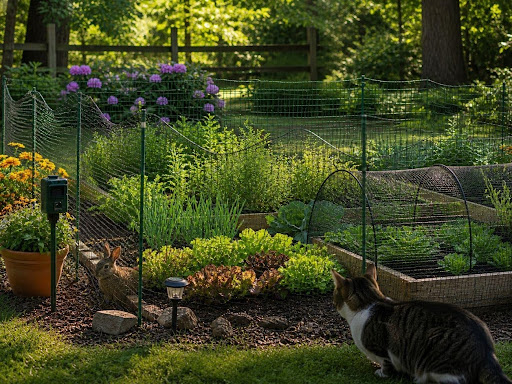
Identifying Which Animals Are Causing the Damage in Your Garden
Before you can fix the problem, you need to figure out who is actually responsible for it. Not all garden damage looks the same, and the culprit often leaves behind clues. Here is what to look for:
- Deer tend to tear leaves rather than cut them cleanly, leaving ragged edges on taller plants
- Rabbits leave a very clean diagonal cut right at ground level, almost surgical in appearance
- Moles and voles tunnel underground, causing roots to dry out and plants to collapse without any visible surface damage
- Squirrels dig up bulbs, often leaving small excavation holes scattered around the bed
- Birds peck at ripening fruit, leaving small puncture marks on the skin
- Cats use freshly tilled soil as a litter box, disturbing seedlings in the process
Spend a few mornings observing your garden, or set up a simple trail camera near problem areas. Once you know exactly what you are dealing with, every solution becomes far more targeted and effective. Throwing money at the wrong deterrent is one of the most common mistakes gardeners make.
The First Line of Defense: Natural and Sensory Animals Deterrents
Once you know which animals are visiting, the most accessible starting point is usually a sensory deterrent. These work by making your garden an unpleasant experience for intruders without harming them in any way.
Some of the most reliable natural options include:
- Lavender, rosemary, and marigolds planted as a border around vulnerable crops — deer and rabbits find their pungent scent overwhelming
- Cayenne pepper or dried blood meal sprinkled around the perimeter — low cost and surprisingly effective, though you will need to reapply after rain
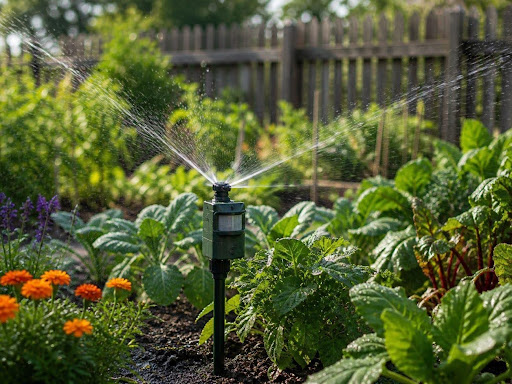
- Motion-activated sprinklers — among the most effective tools available, as the sudden burst of water startles animals and conditions them to avoid the area over time; humane and works on everything from deer to raccoons
- Predator urine (available at garden centers) — mimics the presence of a natural predator and keeps smaller mammals at a distance
In tougher cases, sonic-barrier.us suggests using things like ultrasonic repellents or installing physical barriers like fencing or netting to protect your garden from animal intrusions. Ultrasonic devices emit high-frequency sound waves that irritate pests without being audible to humans, making them a particularly discreet option for smaller gardens or suburban settings.
Building Physical Barriers: Fencing, Netting, and Row Covers

When sensory deterrents are not quite enough, physical barriers are the next logical step. Think of them as the structural layer of your garden’s defense system.
Fencing for deer and rabbits requires some thought around height and depth:
- Deer can jump up to eight feet, so a standard fence is often not tall enough on its own
- Angled fences or double-layered systems confuse deer and discourage them from attempting the leap
- For rabbits, bury the bottom of your fence at least six inches underground — they will happily tunnel right beneath a fence that stops at ground level
Bird netting is essential if you grow berries, cherries, or grapes:
- Drape it directly over plants or build a simple frame to hold it above the foliage
- Make sure it is taut and secured at the base so birds cannot find a gap to squeeze through
- Avoid loose netting, which can accidentally trap birds
Row covers are lightweight fabric tunnels worth keeping in your toolkit:
- They protect young seedlings from both insects and small mammals
- They let in light and moisture while creating a physical barrier most animals will not bother breaching
- Especially useful in early spring when plants are at their most vulnerable
For raised beds, a simple hinged lid made from hardware cloth does wonders. You can flip it open during the day and close it at night when nocturnal visitors are most active.
Protecting Specific Areas From Animals: Bulbs, Fruit Trees, and Vegetable Patches

Different parts of your garden face different threats, and it helps to think about protection in a more targeted way.
Bulbs are a favorite target for squirrels and chipmunks:
- Plant them beneath a layer of chicken wire laid flat just below the soil surface — bulbs grow through the gaps, but digging animals hit the mesh and give up
- Interplant daffodils alongside tulips for natural protection, since daffodils are toxic to most animals and act as a subtle deterrent
- Try sprinkling crushed red pepper in the planting hole before covering with soil
Fruit trees face a different set of challenges:
- Deer rub their antlers against bark, especially in autumn — a tree guard or burlap wrap around the trunk during this season can save years of growth
- Birds targeting your harvest are best managed with fruit cagesor individual mesh bags placed over clusters of ripening fruit
- Keep grass around the base of trees trimmed short to reduce the cover that rodents rely on when gnawing at roots
Vegetable patches benefit from a layered approach:
- Use companion planting (garlic, onions, and strong herbs between rows) to deter insects and browsing animals
- Add fencing or netting around the entire bed to block larger visitors
- Apply row covers during the seedling stage for an extra layer of early protection
Smart Habits to Protect Your Garden
Beyond tools and structures, a few consistent daily habits will dramatically reduce animal activity in your garden.
- Remove attractants wherever possible — fallen fruit, open compost bins, and bird feeders placed too close to your beds will draw animals in faster than almost anything else
- Store birdseed in sealed containers and use a compost bin with a secure, latching lid
- Let pets spend time in the garden during the day — their scent alone discourages many wild visitors from settling in
- Rotate your deterrents regularly — animals adapt faster than we expect, so switching up repellents, moving motion sensors, and varying scents every few weeks keeps them on edge
- Tidy up garden debris at the end of each day, since piles of leaves, wood, and organic matter create ideal shelters for rodents and insects
Finally, accept that no garden is completely wildlife-proof. The goal is to make your space inconvenient enough that animals choose easier targets elsewhere. A little persistence and creativity goes a long way.
FAQ
What is the most effective all-around animal deterrent for a garden?
There is no single magic solution, but a combination approach tends to work best. Pairing a physical barrier like fencing with a sensory deterrent such as motion-activated sprinklers covers the broadest range of animal types. For persistent problems, adding an ultrasonic repellent to the mix significantly improves results.
How do I keep deer out of my garden without building a tall fence?
You have several options. An angled fence, even at a moderate height, confuses deer because they struggle to judge the distance of a tilted barrier. You can also use deer-repellent sprays based on putrescent egg or garlic, which are highly effective when applied consistently. Planting deer-resistant species like lavender, boxwood, and ornamental grasses around your garden perimeter also acts as a natural buffer.
Do ultrasonic repellents actually work?
Yes, though with some nuance. Ultrasonic devices work well for animals like raccoons, squirrels, and some rodents. Their effectiveness does vary depending on the frequency and the species involved. For best results, place them at the animal’s eye level and reposition them periodically so the target animal does not habituate to the device.
How do I stop squirrels from digging up my bulbs?
The most reliable method is laying a sheet of hardware cloth or chicken wire just below the soil surface after planting. Squirrels can smell the bulbs but cannot dig through the mesh. Alternatively, try planting bulbs that squirrels naturally avoid, like alliums and daffodils, alongside your more attractive varieties.
Are there any humane ways to deal with moles in the garden?
Absolutely. Mole-repellent granules made from castor oil are a popular and humane choice, as moles find the smell deeply unpleasant and will relocate. Planting caper spurge (a natural mole deterrent) around vulnerable areas also helps. For serious infestations, live traps allow you to relocate moles without harming them.
My neighbor’s cat keeps digging in my flower beds. What can I do?
Cats dislike certain textures and smells intensely. Try laying pine cones or rough mulch over the soil surface, as cats prefer soft, loose earth for digging. Citrus peels scattered around the bed, or a spray of diluted citrus essential oil, are also effective. Motion-activated sprinklers work particularly well here since cats have a strong aversion to surprise water.
Is it worth investing in a trail camera to monitor garden intruders?
For ongoing or mysterious damage, absolutely. Even a budget trail camera will reveal exactly which animals are visiting, at what time, and via which entry points. That information makes every solution you choose far more precise, saving you both time and money in the long run.
©2026 The Dedicated House. All rights reserved. No part of this blog post may be used or reproduced without the written consent of the copyright owner.
Click the links below for any posts you have missed:
 The Busy Melburnian’s Guide to Straightening Teeth: Why Hybrid Aligner Tech Wins
 Why Getting Top Dollar Isn’t Always the Win People Think It Is
 Why Professional Commercial Plumbers Are Essential for Restaurants and Offices

 How to Sell a House that Needs Repairs Without Spending Thousands on Renovations
 The Allure of Living in The Woodlands, Texas: Community, Lifestyle, and Opportunity
I’d love for you to join my email list! You’ll receive a notification straight to your inbox which will include links to my latest home project posts! Simply enter your address below.
Thanks for stopping by! Have a wonderful day/night depending on where you are in the world! Go with God and remember to be kind to one another!
Toodles,

Leave a Reply