Planning a home project in Longmont means thinking beyond finishes and curb appeal. Sun exposure, wind, snow, fast temperature changes, summer storms, dry stretches, and smoke can all affect how materials perform and when work should happen. Homeowners gathering supplies locally can begin with a Longmont, CO home supply store to compare materials, confirm measurements, and plan for the full scope of the job.
The strongest projects solve a building-performance problem before they become a design upgrade. Whether the goal is a better patio, a tighter attic, refreshed siding, or improved drainage, a weather-ready plan helps protect the home, control maintenance needs, and make each dollar do more work.
Why Weather-Ready Planning Matters in Longmont
A project calendar should reflect current conditions rather than assumptions about a typical season. The Colorado Climate Center tracks current drought conditions, temperature patterns, precipitation, and other statewide climate information that can help homeowners decide when to paint, pour concrete, plant, repair drainage, or schedule exterior work.
Weather-ready planning is not about preparing for every possible event. It is about identifying the parts of a property that are most exposed, then selecting details that manage water, limit unwanted air movement, and hold up under repeated seasonal use.
Start with a Whole-Home Inspection
Before setting a budget, walk the property with a notebook and take photos of concerns. Start at the roofline and work down to the foundation. Look for missing or damaged roofing, clogged gutters, loose siding, cracked caulk, peeling paint, soft wood, standing water, and soil that slopes toward the house.
Simple Inspection Questions
- Do gutters move water into downspouts that discharge away from the foundation?
- Are window and door seals intact, or are there visible gaps and drafts?
- Do attic, crawl-space, or basement areas show signs of moisture or poor airflow?
- Are decks, stairs, railings, fences, and walkways stable and in good repair?
- Do utility penetrations, exterior vents, and hose connections need sealing or repair?
Set Priorities Before Setting a Budget
Separate needs from wants. A sound order of work begins with conditions that could cause damage or create safety concerns, then moves toward comfort, maintenance reduction, and appearance. This approach can prevent a new finish from being damaged by a leak, drainage issue, or neglected structural repair.
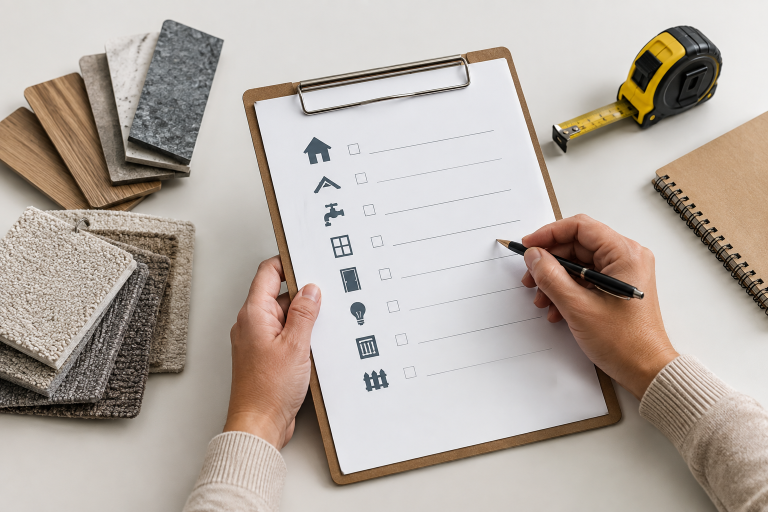
- Protect the home: Address leaks, roof wear, drainage failures, unsafe electrical conditions, and structural concerns.
- Improve comfort: Review drafts, insulation levels, windows, doors, and ventilation.
- Reduce maintenance: Select durable finishes and landscape features that are practical for the site.
- Update appearance: Tackle paint, trim, decorative features, and interior finishes after the building is protected.
Choose Materials for Colorado Conditions
Material selection should account for where the product will be installed. A south-facing wall, exposed deck, shaded entry, and low drainage area do not experience the same conditions. Read manufacturer instructions closely, especially for required temperatures, compatible sealants, fasteners, flashing, surface preparation, and maintenance.
Material Selection Checklist
- Compare resistance to moisture, ultraviolet exposure, rot, insects, and repeated freezing and thawing.
- Ask whether the product needs a rain screen, underlayment, expansion gap, or specific fastener type.
- Bring home samples when the color or finish may look different in direct sunlight.
- Consider expected maintenance along with the initial purchase price.
- Store materials off the ground and protect them from moisture or direct weather before installation.
Improve Energy Performance in the Right Order
For many homes, reducing uncontrolled air leakage and improving insulation should come before replacing heating or cooling equipment. A home assessment can help identify where comfort problems begin, whether in the attic, around penetrations, at rim joists, through ductwork, or near aging doors and windows.
- Schedule an energy assessment when it fits the project scope.
- Seal accessible gaps around doors, windows, plumbing, wiring, and ducts.
- Review attic, basement, crawl space, and wall insulation opportunities.
- Address ventilation needs, particularly where moisture or indoor air quality is a concern.
- Size the new heating and cooling equipment after the home’s enclosure has been evaluated.
Rebate programs and eligibility rules can change. Treat a potential incentive as unconfirmed until current requirements, funding availability, equipment standards, and contractor rules have been checked.
Plan Outdoor Projects Around Water and Shade
Decks, patios, fences, walkways, planting beds, and retaining features should support the way water moves across the site. Grade soil so water is directed away from the house, and avoid creating hardscape edges that trap runoff against siding or foundations. Group plants by similar water needs, use mulch to help limit evaporation, and consider shade where it will make outdoor seating more usable.
Protect Indoor Air During Smoke and Dust Events
Maintaining weatherstripping, keeping HVAC filters on schedule, and using properly working exhaust fans can support better indoor conditions. A room that can be closed off with good filtration may also be useful during periods of poor outdoor air quality. Changes involving combustion appliances, gas lines, electrical systems, or mechanical ventilation deserve qualified professional review.
Build a Seasonal Project Calendar
Winter and Spring
Use winter for planning, estimates, material research, and permit preparation. When spring arrives, inspect gutters, roofs, exterior caulk, decks, and drainage after snow and freezing conditions. Complete repairs that need dry surfaces before the busiest outdoor construction period.
Summer and Fall
Summer can be practical for exterior painting, fencing, landscaping, and deck work when product temperature requirements are met. In the fall, clear gutters, check weatherstripping, protect exposed plumbing, and finish projects that need curing time before sustained freezing weather.
Budget for the Full Project
A complete budget includes more than materials and labor. Allow for permits, delivery, site preparation, tool rental, waste removal, protective coverings, inspections, and a contingency for concealed damage. Longmont homeowners should review local permit requirements before work begins, especially when a project changes structural, electrical, plumbing, mechanical, or exterior site conditions.
Common Planning Mistakes to Avoid
- Ordering materials before confirming field measurements and installation details.
- Choosing appearance over drainage, flashing, and water control.
- Replacing equipment before addressing major drafts or insulation gaps.
- Assuming a permit or rebate applies without checking current requirements.
- Starting exterior work without a plan for rain, wind, temperature limits, or material storage.
Final Checklist for a Weather-Ready Project
- Document existing concerns with notes and photos.
- Rank projects by safety, water protection, comfort, maintenance, and appearance.
- Confirm measurements, material specifications, permits, and installation requirements.
- Schedule around weather, curing conditions, and contractor availability.
- Include maintenance tasks in the plan before the project is finished.
Weather-ready home improvement in Longmont does not require one large renovation. A careful inspection, a sensible project order, and durable choices for water, air, insulation, ventilation, and outdoor surfaces can create a home that is more comfortable, practical, and prepared for Colorado conditions.
©2026 The Dedicated House. All rights reserved. No part of this blog post may be used or reproduced without the written consent of the copyright owner.
Click the links below for any posts you have missed:
 How to Build a Custom Lake Home In Minnesota with the Right Team and Resources
 How to Choose the Right Renovation Scope for Your Home
 Five Things to Fix Before You Renovate a Bathroom (Learned the Hard Way)
 Bathroom Design Trends to Elevate Your Home
 Which Michigan Plumbing Problems Need Immediate Attention?
 How to Transition Your Front Porch From Halloween to Thanksgiving
I’d love for you to join my email list! You’ll receive a notification straight to your inbox which will include links to my latest home project posts! Simply enter your address below.
Thanks for stopping by! Have a wonderful day/night depending on where you are in the world! Go with God and remember to be kind to one another!
Toodles,

Leave a Reply