A reliable water heater is one of the most important components of any home. From warm showers to clean dishes, these systems quietly provide comfort and convenience. However, just like any other household appliance, water heaters have a life cycle that homeowners need to understand to avoid sudden failures and costly repairs.
 (Photo Credit: Pexels Stock Images)
The Early Years: Installation and Efficient Operation
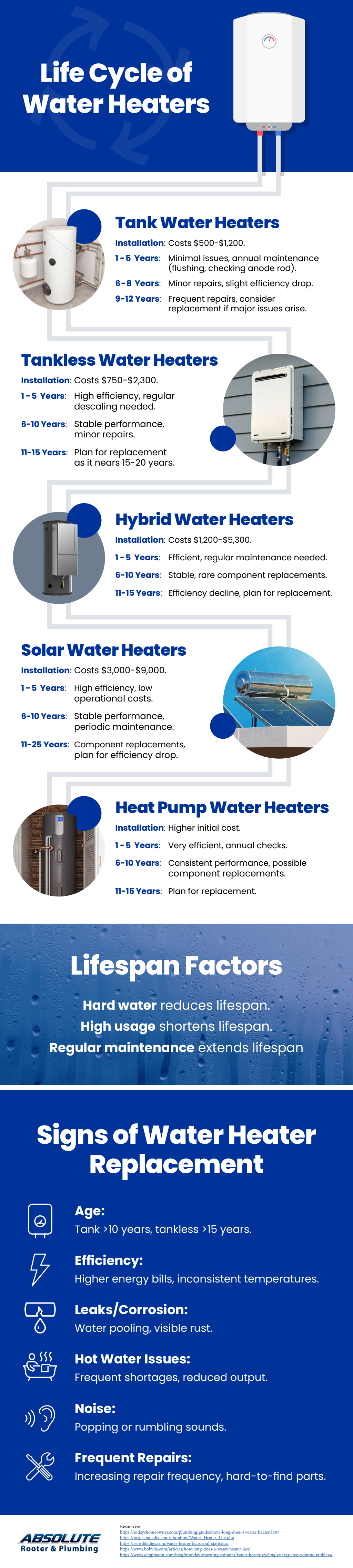
When a new water heater is installed, it typically operates at peak efficiency. Modern units, especially tankless options, are designed with advanced technology to provide consistent hot water with minimal energy waste. During the early years of operation, maintenance requirements are minimal, but regular inspections are recommended to ensure all components are functioning properly.
Choosing the right unit for your household needs during installation is essential. Factors such as the number of occupants, daily water usage, and energy efficiency preferences all influence the best choice for your home. Professional installation by experts in plumbing services ensures the system functions correctly from the beginning, preventing common issues down the road.
The Mid-Life Stage: Routine Maintenance and Warning Signs
As a water heater ages, maintenance becomes increasingly important. For tank-style heaters, sediment buildup at the bottom of the tank is a common problem that can reduce efficiency and lead to overheating. Flushing the tank annually helps remove these deposits and extends the unit’s lifespan.
Homeowners may start noticing subtle changes during this phase. Water may take longer to heat, or there could be fluctuations in temperature during use. Energy bills may also rise due to decreased efficiency. These are early signs that the system may need attention. Addressing issues promptly through routine maintenance and repairs can help avoid more extensive problems later.
The Final Years: Declining Performance and Replacement
Eventually, all water heaters reach the end of their life cycle. For traditional tank models, this typically occurs after 8 to 12 years, while tankless units may last up to 20 years with proper care. Signs that replacement may be necessary include persistent leaks, unusual noises, or rust-colored water.
If repairs become frequent and costly, upgrading to a newer, more energy-efficient model is often the best choice. Modern units offer advanced features, such as better temperature control, improved energy efficiency, and longer lifespans.
Choosing the Right Replacement
When it’s time to replace an old water heater, selecting a suitable model involves considering both current household needs and future expectations. Many homeowners are now opting for tankless water heaters, which provide on-demand hot water without the need for large storage tanks. These models are energy-efficient and take up less space, making them a popular choice.
Working with experienced plumbing professionals is essential during this process. They can assess your home’s plumbing system and recommend the best unit based on water usage patterns and budget. Proper installation not only ensures long-term efficiency but also helps prevent potential hazards like water damage or gas leaks.
Extending the Lifespan of Your Water Heater
Regular care and proactive maintenance are key to maximizing the life cycle of any water heater. Flushing the tank, checking the anode rod for corrosion, and ensuring proper insulation are all simple but effective ways to prolong the system’s lifespan. For tankless models, periodic descaling prevents mineral buildup and maintains optimal performance.
Scheduling professional inspections is another critical step. Trained technicians can identify and address minor issues before they escalate, keeping your water heater running smoothly for years to come.
Understanding the life cycle of water heaters empowers homeowners to make informed decisions about maintenance, repairs, and replacements. With proper care and expert guidance, these systems can provide consistent, energy-efficient service for many years. Taking a proactive approach to maintenance to ensure your household continues to enjoy the comfort of reliable hot water without interruption. Check out the infographic below to learn more.
Click the links below for any posts you have missed:
 Planning Your Dream Home: How to Use Business Directory for Budget-Friendly Renovations
 The Versatility of Swivel Chairs in Home Design
 Elegant Duo: A Minimalist 2 Seater Sofa for Every Room
 When You Can’t Pray the Addiction Away: The Lie that Keeps Christians Stuck
 What to Look for Before Hiring a Fence Contractor
 How Digital Marketing Can Take Your Home Remodeling Business to the Next Level
I’d love for you to join my email list! You’ll receive a notification straight to your inbox which will include links to my latest home project posts! Simply enter your address below.
Thanks for stopping by! Have a wonderful day/night depending on where you are in the world! Go with God and remember to be kind to one another!
Toodles,


[…] Understanding the Life Cycle of Water Heaters and When to Replace Them […]