When a homeowner finds ants in the kitchen, termite damage near a window, or signs of rodents in the attic, they often look for answers before they contact a provider. A useful online presence can make that moment less stressful and give people a clear reason to choose a company they believe will treat the problem responsibly. Cube Creative Design, a digital marketing agency that publishes practical guidance for local service businesses, explains the difference between ranking in conventional results and being recognized in AI-assisted results in its SEO versus GEO guide for exterminators. Its focus on pest control marketing and local service markets, including North Carolina, makes the guide relevant to companies seeking clearer visibility and stronger trust signals.
Trust is built long before the appointment. Homeowners compare service details, recent reviews, response options, credentials, and evidence that a team understands the pest issue they are facing. The goal is not to create more marketing material for its own sake. It is to make useful information easy to find, easy to understand, and consistent with the service a customer will receive.
Why Trust Matters Before the First Call
Pest concerns can feel urgent, particularly when a homeowner is unsure whether an issue could spread, damage property, or affect daily routines. Consider someone who notices discarded wings near a window. One company offers a vague promise to “solve all pest problems,” while another explains what an inspection involves, identifies its service area, shows current reviews, and gives a direct way to request help. The second company gives the homeowner more information on which to make a decision.
Start with Questions Homeowners Already Ask
Phone calls, inspection notes, and follow-up emails are a practical source of content ideas. The Professional Pest Management Alliance encourages turning customer questions into helpful content because those questions show what people want to understand before hiring a professional.
Build a running list of questions about ants, termites, bed bugs, rodents, and wasps. Then answer one topic at a time in plain language. Useful pages may cover:
- Signs that may help identify a pest.
- When an inspection or professional treatment may be appropriate.
- What preparation is needed before a visit?
- What homeowners can expect during and after treatment.
- Practical steps that may reduce conditions that attract pests.
Paid visibility can complement educational content when it is handled responsibly. Companies evaluating Google LSA services for pest control companies should ensure that the services, locations, hours, and response process shown in ads match what customers find on the website and business profile.
Show Local Knowledge and Technician Experience
Pest activity can differ by season, weather, property type, and local conditions. Service-area pages can mention nearby communities, common seasonal concerns, available services, and realistic response expectations. However, each page should provide a distinct value. Changing only a city name on dozens of nearly identical pages is not helpful to homeowners.
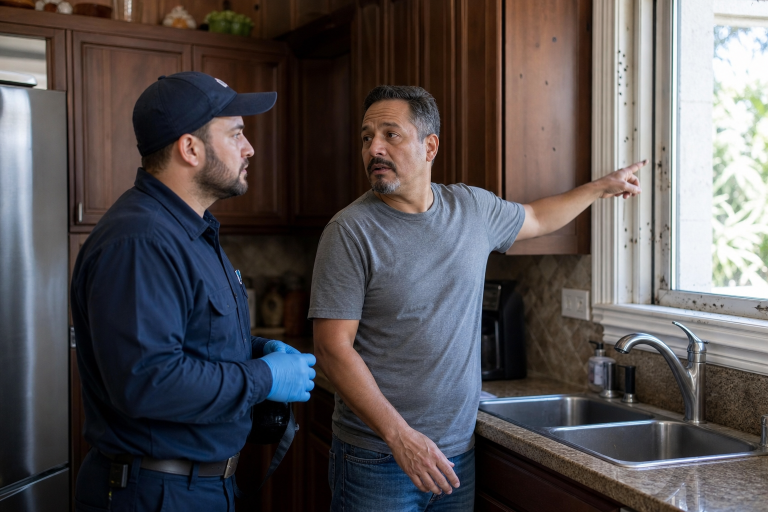
Technicians can make that local expertise more credible. Short videos, inspection explainers, and real photographs can help customers understand what a company knows. A technician might explain the visible differences between carpenter ants and termites, show how to reduce rodent food sources, or describe what to do after discovering a wasp nest. Keep language clear, avoid unsupported guarantees, and have qualified team members review educational material before it is published.
Make Every Online Detail Consistent
Conflicting information creates hesitation. Review the business name, phone number, hours, emergency availability, service areas, and listed services on the website, Google Business Profile, social accounts, directories, and review platforms. Make one official record of those details, correct outdated listings, remove duplicates where possible, and recheck major profiles each quarter.
Make Reviews More Useful than a Star Rating
Detailed reviews can help future customers understand what working with a company is like. Invite customers to share honest feedback after service is complete, without offering incentives for positive reviews. A helpful review may mention the problem, communication, appointment experience, and outcome. Respond calmly to praise and criticism alike.
For example, a thoughtful response to a disappointed customer could say: “We are sorry the experience did not meet your expectations. We would like to understand what happened and review the service with you. Please contact our office so we can discuss the next steps.” This acknowledges the concern without arguing publicly or sharing private details.
Support Search, AI Discovery, and Mobile Users
People may find a pest control company through a search engine, an AI tool, a review site, a neighborhood discussion, or a video. Create pages with direct answers, descriptive headings, short paragraphs, and clear lists. Include genuine licensing or credential information where applicable, explain offered treatments accurately, and avoid repetitive keyword phrasing that makes content harder to read.
Many pest searches happen on phones, so the contact path should be simple. Place a visible phone number and request-service option near the top of important pages. Test page speed, readability, tap targets, menus, forms, and emergency information on several phones. The U.S. Environmental Protection Agency also provides consumer information about getting rid of pests safely, which can help companies frame prevention and treatment education with care.
A Simple 30-Day Trust-Building Plan
- Days 1-5: Audit website details, listings, service areas, and contact options.
- Days 6-10: Collect the ten questions customers ask most often.
- Days 11-15: Publish one thorough answer and improve the related service page.
- Days 16-20: Request honest reviews and respond to existing feedback.
- Days 21-25: Record a technician video or publish a seasonal prevention checklist.
- Days 26-30: Test the mobile contact process and track calls, forms, inspections, and booked jobs.
Measure Trust By Meaningful Actions
Track calls, completed forms, booked inspections, profile interactions, review quality, service-area page visits, and returning visitors who use helpful resources. Traffic alone is not the objective. A smaller audience that produces qualified inquiries can be more valuable than a larger audience that never contacts the business.
Conclusion: Trust Is Built Before the Appointment
The strongest pest control presence combines clear education with dependable service. By answering real questions, showing local knowledge, featuring qualified people, maintaining accurate details, and making contact easy, a company gives homeowners practical reasons to feel confident. That confidence can begin online, but it is confirmed through honest communication and reliable work.
©2026 The Dedicated House. All rights reserved. No part of this blog post may be used or reproduced without the written consent of the copyright owner.
Click the links below for any posts you have missed:
 Fayetteville, Arkansas Exterior Painting Guide: Colors, Prep, and Weather-Smart Planning
 Work Zone Crashes Climb as Road Season Winds Down
 The Contractor’s Guide to Measuring Roofing Material Value Beyond the Bid
 Home Gym Maintenance Plan for St. Louis, Missouri: Simple Care that Keeps Equipment Ready
 Are Class 4 Impact-Resistant Shingles Worth It? A Homeowner’s Guide
 Denco Fence Company: A Clearer Path from Fence Installation Request to Finished Chain Link Fence
I’d love for you to join my email list! You’ll receive a notification straight to your inbox which will include links to my latest home project posts! Simply enter your address below.
Thanks for stopping by! Have a wonderful day/night depending on where you are in the world! Go with God and remember to be kind to one another!
Toodles,

Leave a Reply